
18 Days Cruising with PONANT: Journey to the South Georgia Islands & Antarctica
The Drake Passage is a wild and restless stretch of ocean that lies between the southern tip of South America and Antarctica, where the Atlantic and Pacific Oceans collide. Known for some of the roughest seas on Earth, it has long challenged sailors with towering waves, fierce winds, and unpredictable weather. To reach Antarctica, travelers typically have to cross it twice. On my cruise itinerary, we crossed it just once, sailing from the Antarctic Peninsula back to Ushuaia.
Starting from Buenos Aires, we embarked L’Austral on November 9th and sailed for six days before reaching the South Georgia Islands.
The South Georgia Islands are a remote and windswept archipelago in the southern Atlantic Ocean, renowned for their dramatic landscapes and extraordinary wildlife. Towering glaciers, jagged mountains, and rugged coastlines form a stark backdrop to vast colonies of king penguins, elephant seals, and seabirds, making the islands one of the world’s most important wildlife sanctuaries. Uninhabited except for a small research presence, South Georgia is steeped in polar history, from early Antarctic exploration (think: Ernest Shackleton) to the remains of 20th‑century whaling stations.
Cruise Itinerary
November 15 | Landing in Fortuna Bay
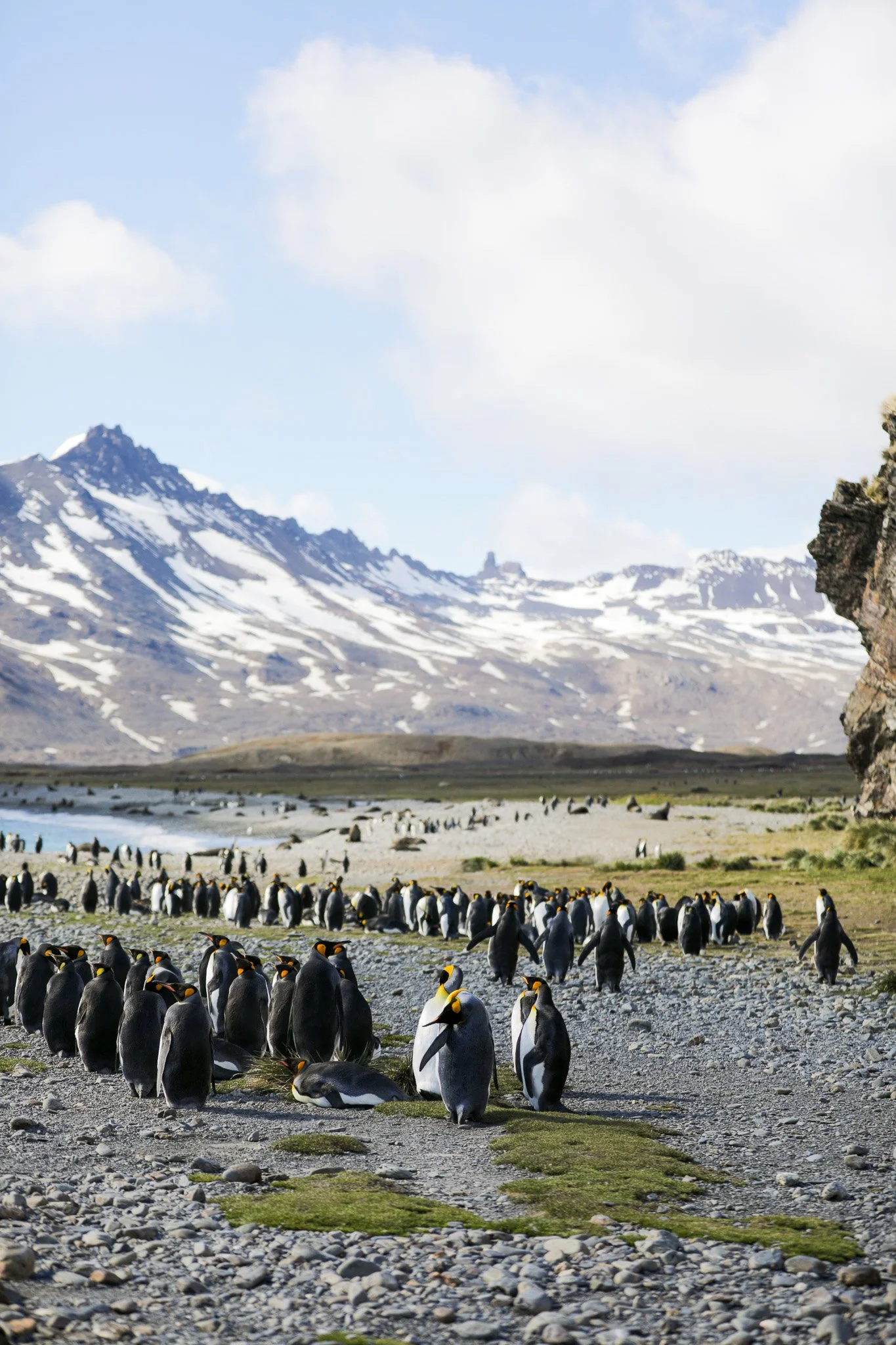
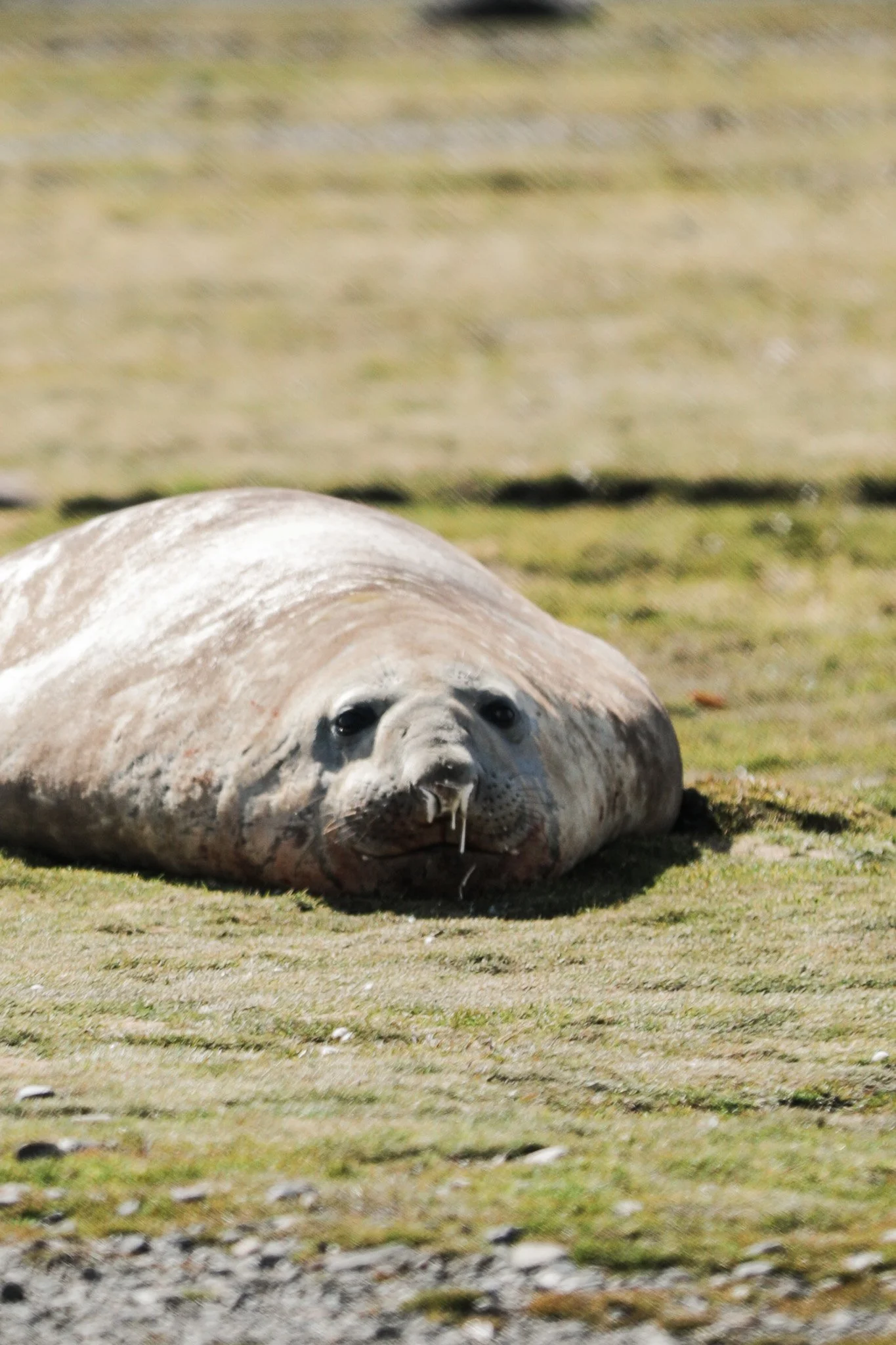
Framed by snow-draped mountains and spilling glaciers, the bay opens into a broad sweep of tussock grass and dark sand beaches that host one of the island’s most vibrant wildlife gatherings. Thousands of king penguins crowd the shoreline in a shifting mosaic of gold and black, while elephant seals sprawl in the shallows and fur seals patrol the surf. It was here that Sir Ernest Shackleton completed the final leg of his legendary 1916 rescue journey, crossing the island’s interior to reach the nearby whaling station at Stromness after his ship, Endurance, was lost in Antarctic ice. Today, the bay remains remote and largely untouched.
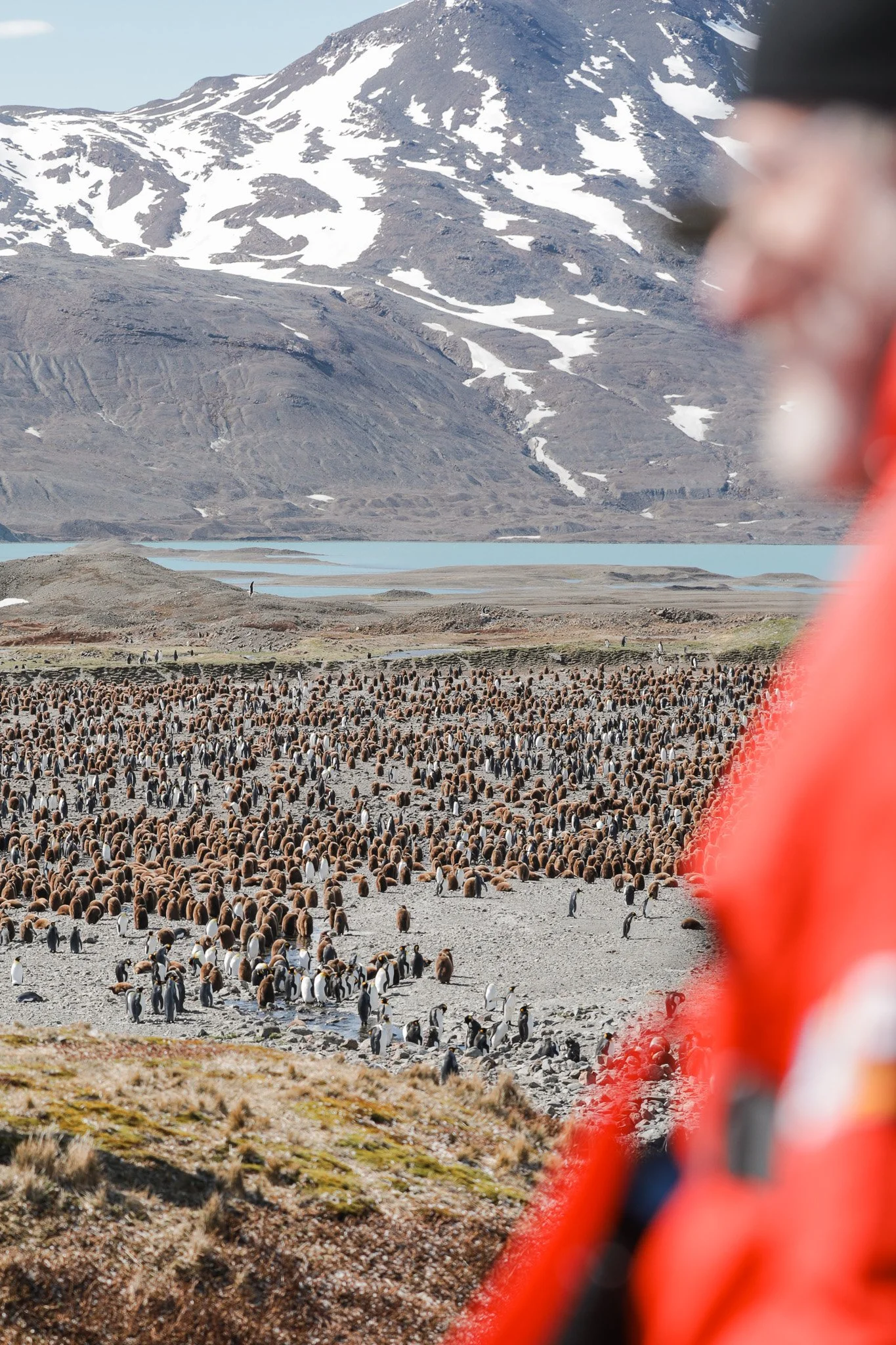
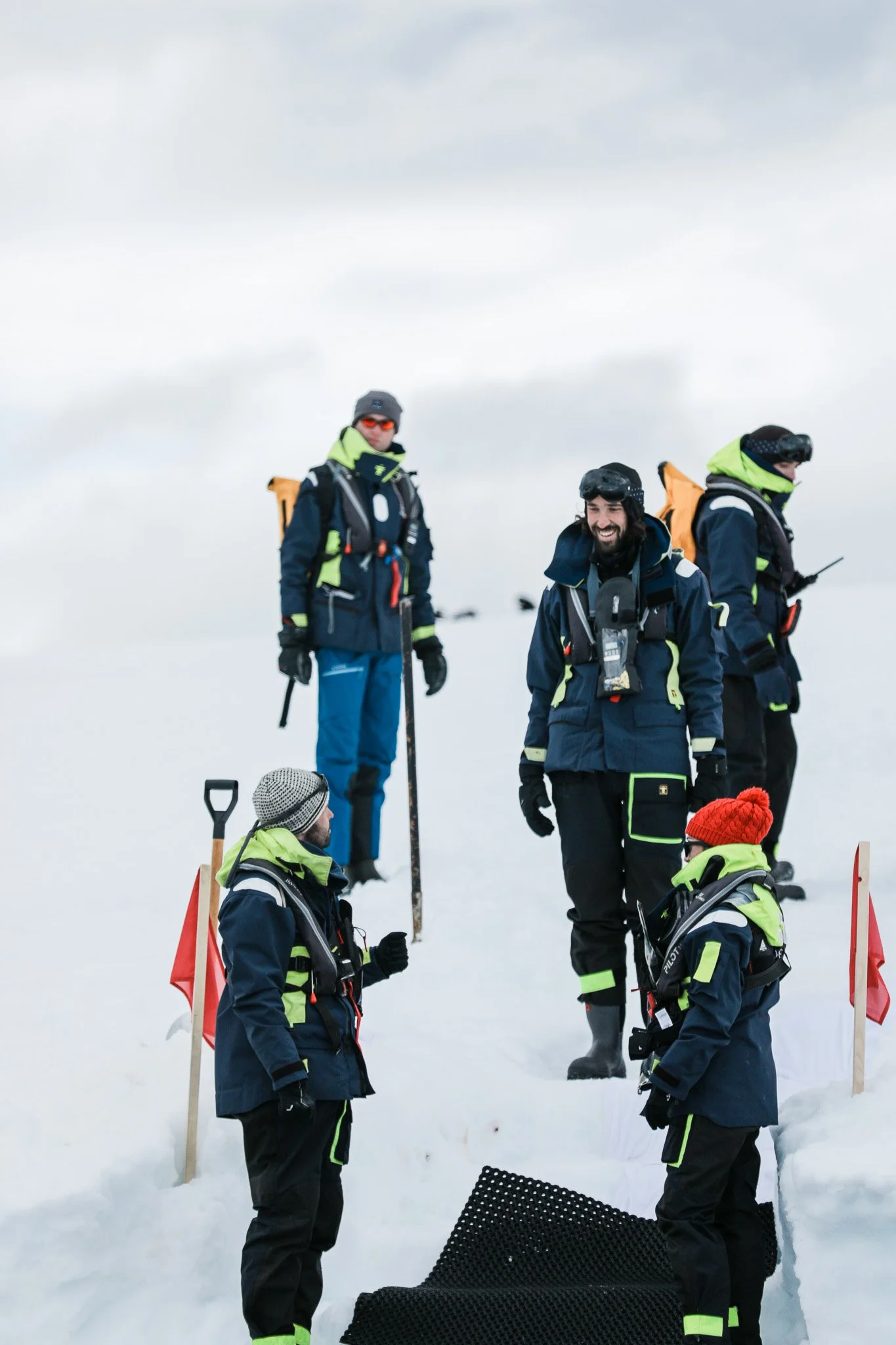
We landed on a black sand beach peppered with seals, the occasional elephant seal, and groups of king penguins. While we had received information on board about biosecurity measures in this region, we had a briefing as well once on land. The Expedition guides had laid out flags to follow, based on where animals were/weren’t congregating. About half a mile from the beach and over a small hill, we were treated to a king penguin colony with baby penguins that had yet to shed their poofy, brown feathers for their waterproof black and white feathers.
November 15 | Zodiac Ride in Hercules Bay
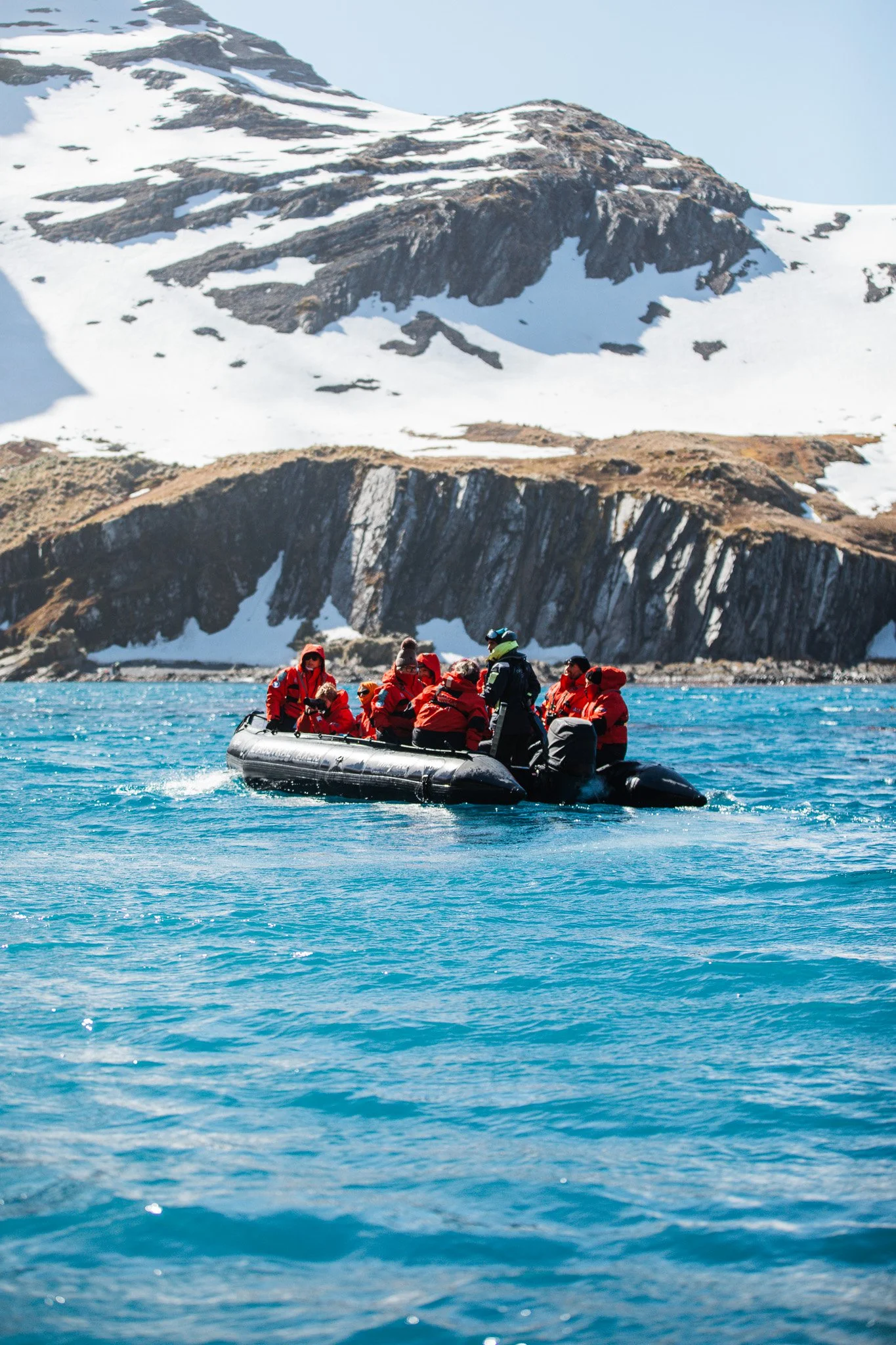
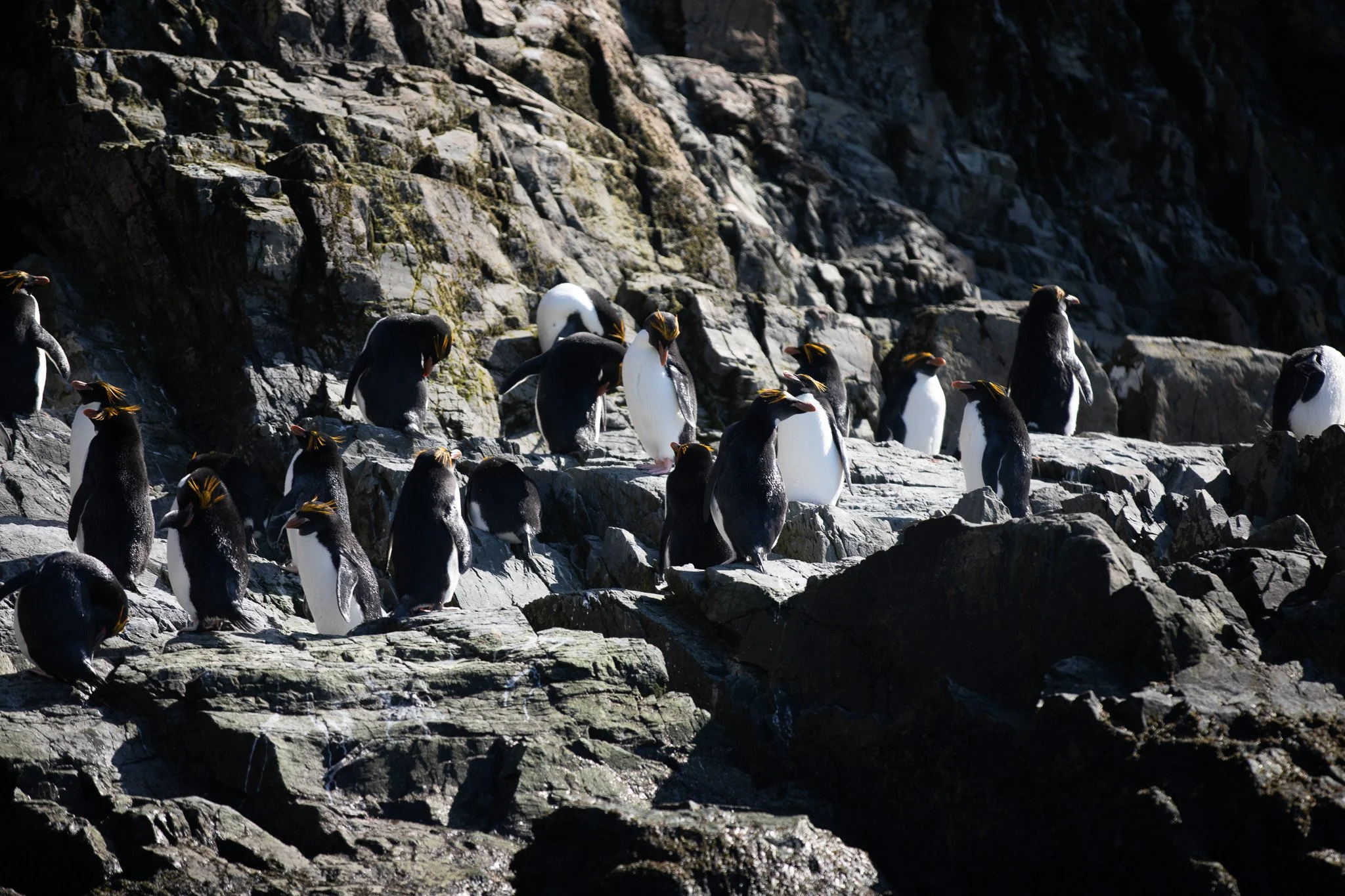
Hercules Bay is a small, sheltered cove on the north coast of South Georgia Island. Framed by steep, tussock‑covered hills and rocky headlands, the bay opens onto calm waters that contrast with the often‑turbulent Southern Ocean beyond. It is a favored stop for visiting expedition ships and sailors, offering a rare natural harbor amid South Georgia’s rugged coastline. Here we were treated to a Zodiac ride in the afternoon, where we saw a multitude of seabirds including the endangered grey-headed albatross, macaroni penguins, and a young elephant seal.
November 16 | Landing in Grytviken
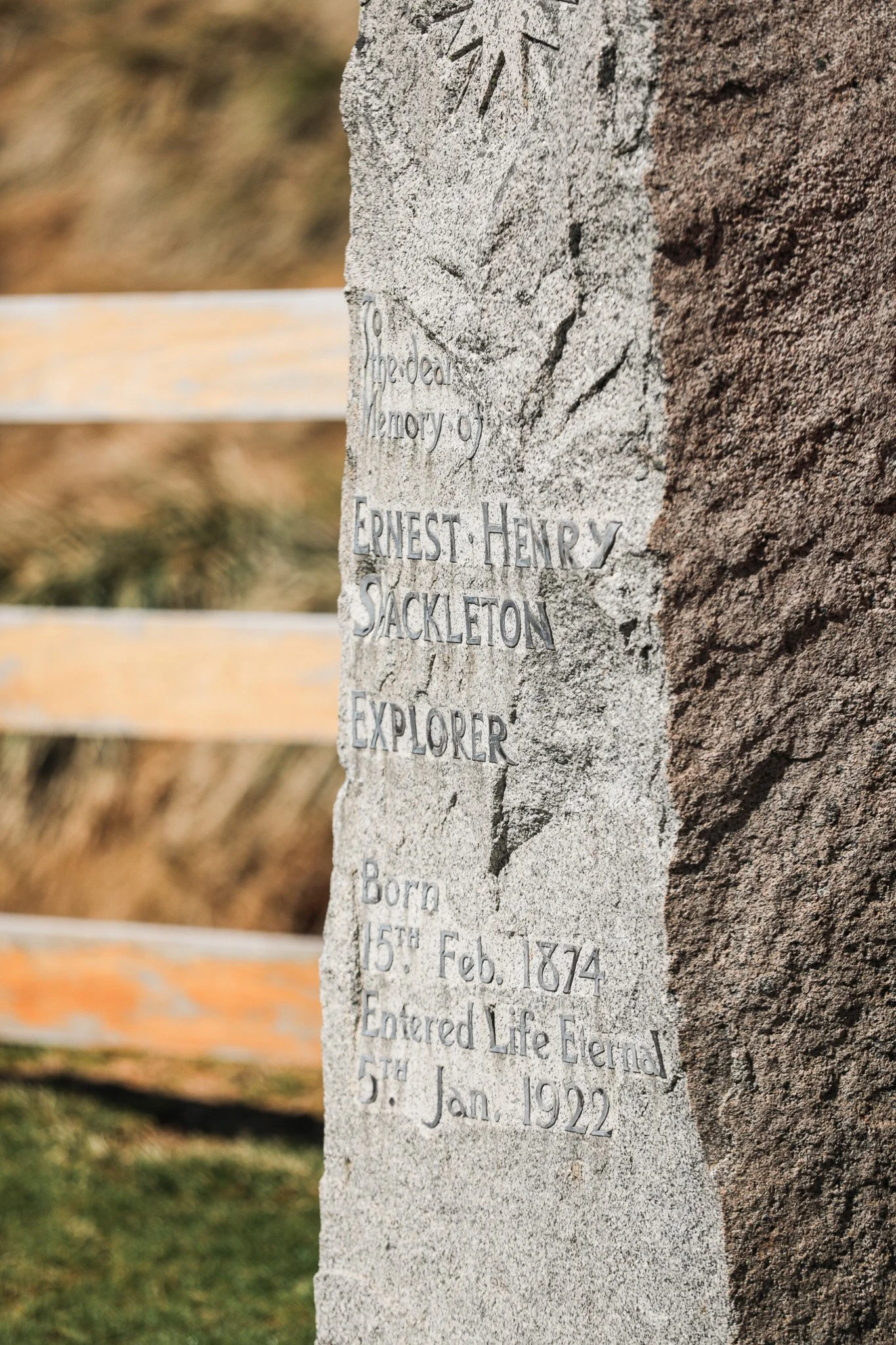
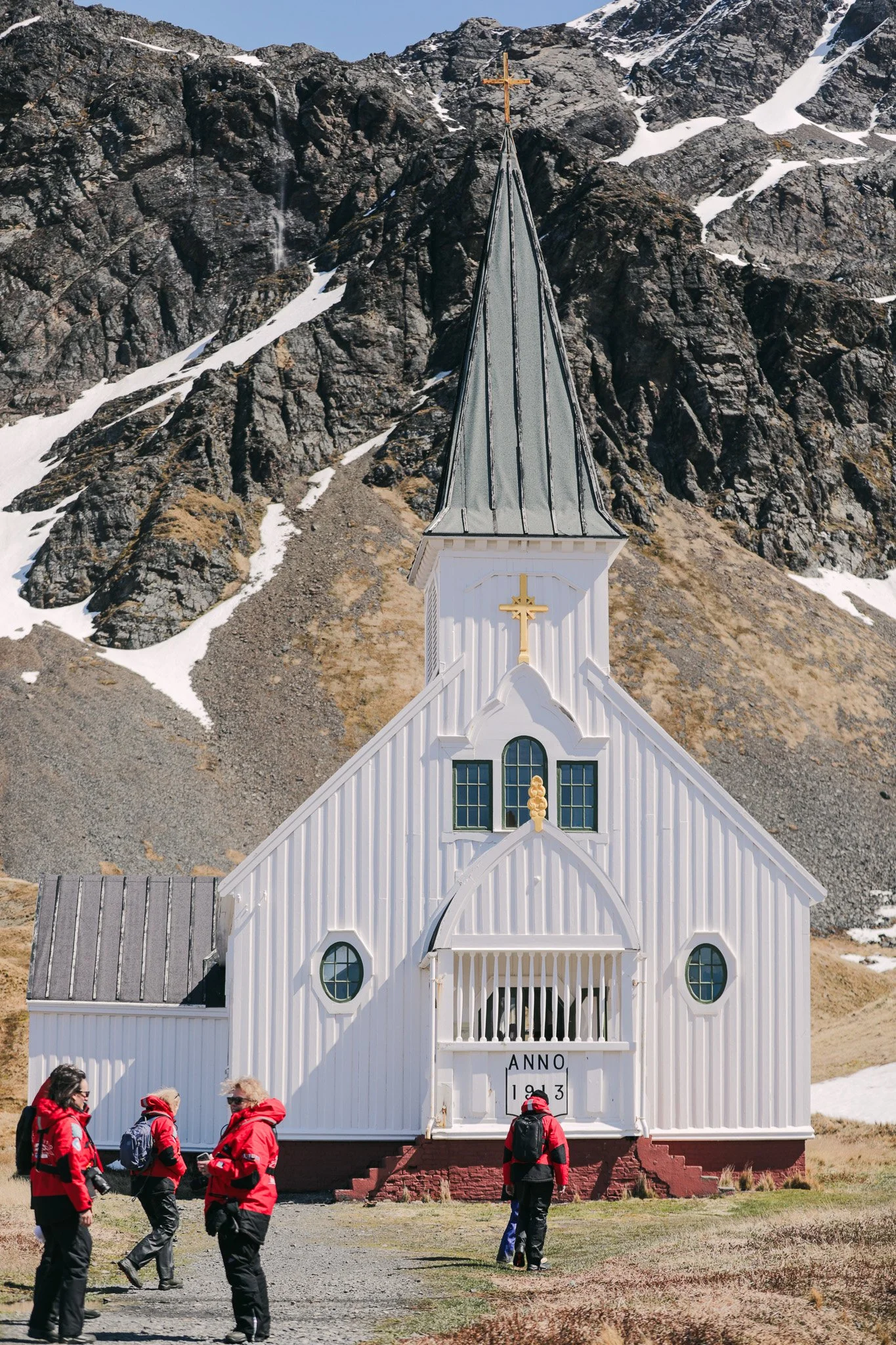
A historic whaling station nestled at the head of King Edward Cove on South Georgia Island, Grytviken is now transformed into a poignant symbol of polar history and recovery. Founded in 1904, it was once a bustling center of the Southern Ocean whaling industry; today, its weathered buildings, rusting machinery, and restored museum tell the story of a past era. Grytviken is also known as the final resting place of Antarctic explorer Sir Ernest Shackleton, whose grave overlooks the harbor. Surrounded by dramatic mountains, glaciers, and thriving wildlife, you can find the South Georgia Museum, a Norwegian Church, and a Royal post office.
November 16 | Landing in Moltke Harbor, Royal Bay
Winds of 50 knots prevented an afternoon shore excursion from occurring, but come early evening they started to die down and the Expedition team worked their magic to get us out, this time to the remote Moltke Harbor, where we were treated to a sandy beachy dotted with elephant seals and a few rogue penguins. We saw nature at its core, with an elephant seal trying to mate with both a non-interested peer, and even a penguin. Here, we learned that penguins sometimes die this way, getting crushed under the seals weight.
November 17 | Zodiac Ride in Gold Harbour
High winds persisted from the day before, but we were able to sneak out for a morning Zodiac ride. Eventually it was deemed too turbulent to continue Zodiac rides. After a decision to add an extra day in the South Georgia Islands due to the South Orkney Islands being surrounded by sea ice, and forecasts showed worsening weather on the Antarctic Peninsula, we stayed an extra day in the South Georgia Islands. We endured 70 knot winds on the way to Saint Andrews Bay, which is wild to think that was the better weather.
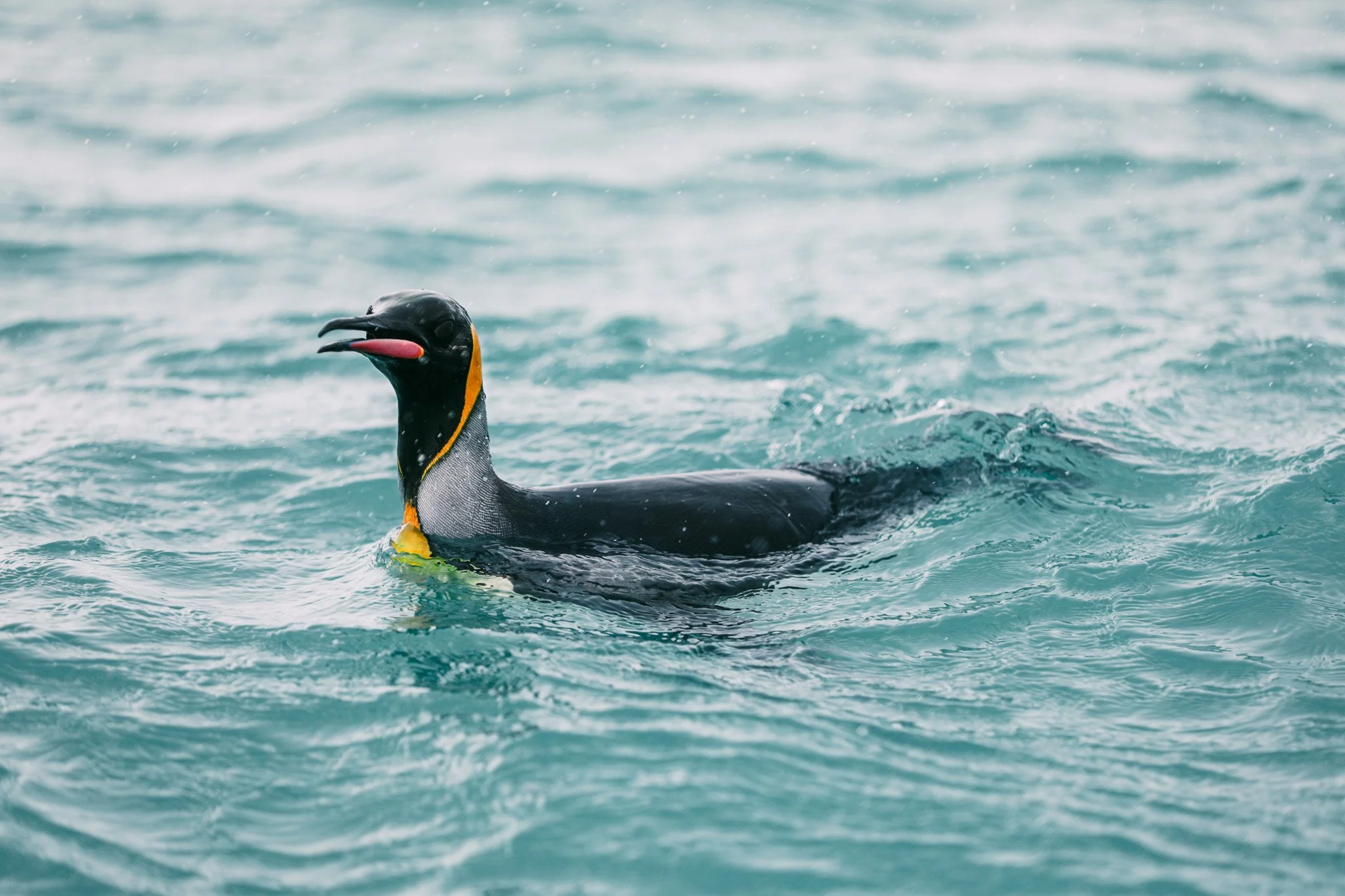
November 18 | Landing in Saint Andrews Bay
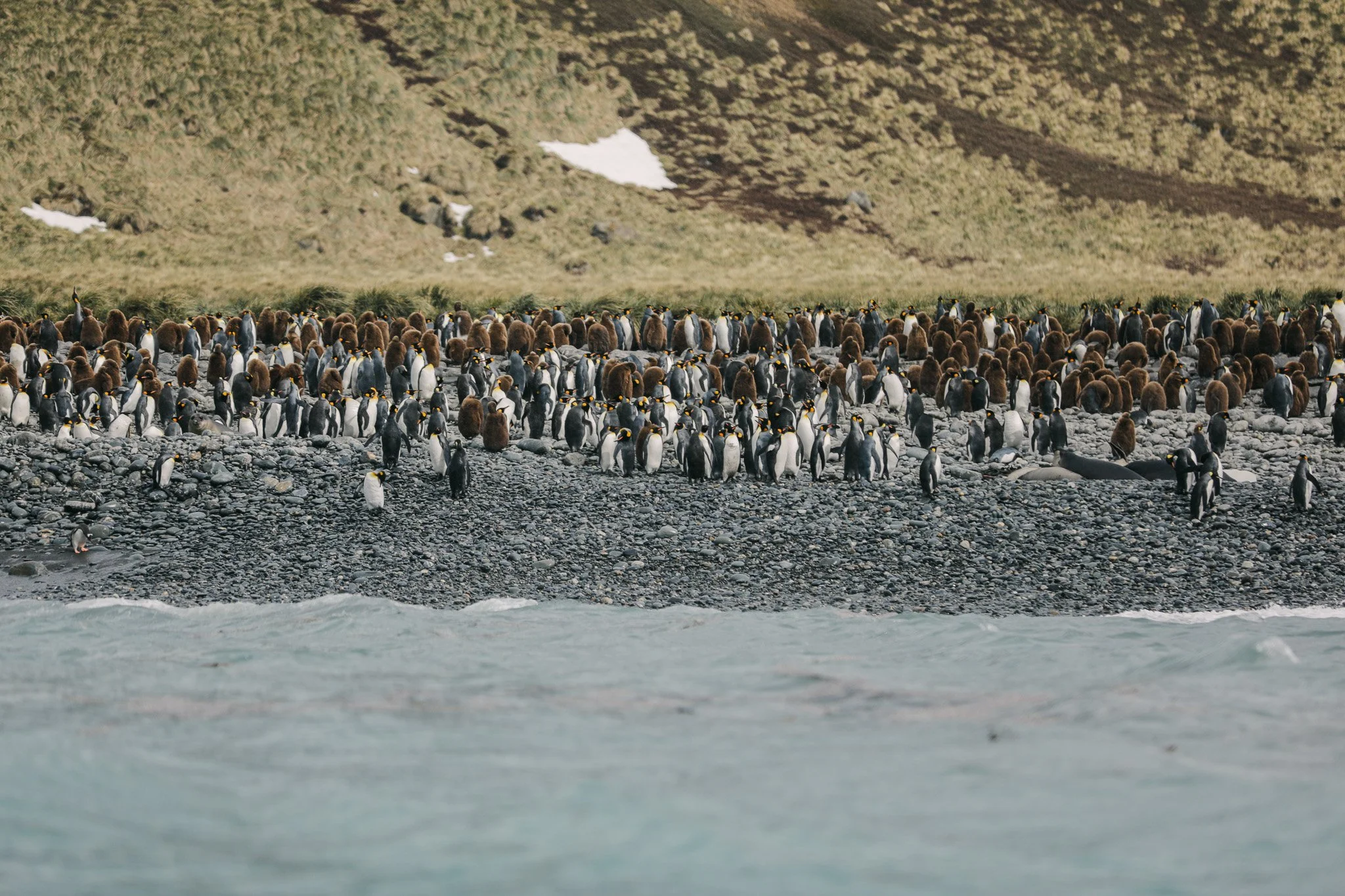
Renowned for hosting the largest king penguin colony on the island, the long, sweeping beach of Saint Andrews Bay is backed by dramatic mountains and glaciers (Cook and Heaney), creating an awe‑inspiring natural amphitheater filled with the sound and movement of tens of thousands of penguins. Here, the scientists on board were capturing (and releasing) various seabirds for their research.
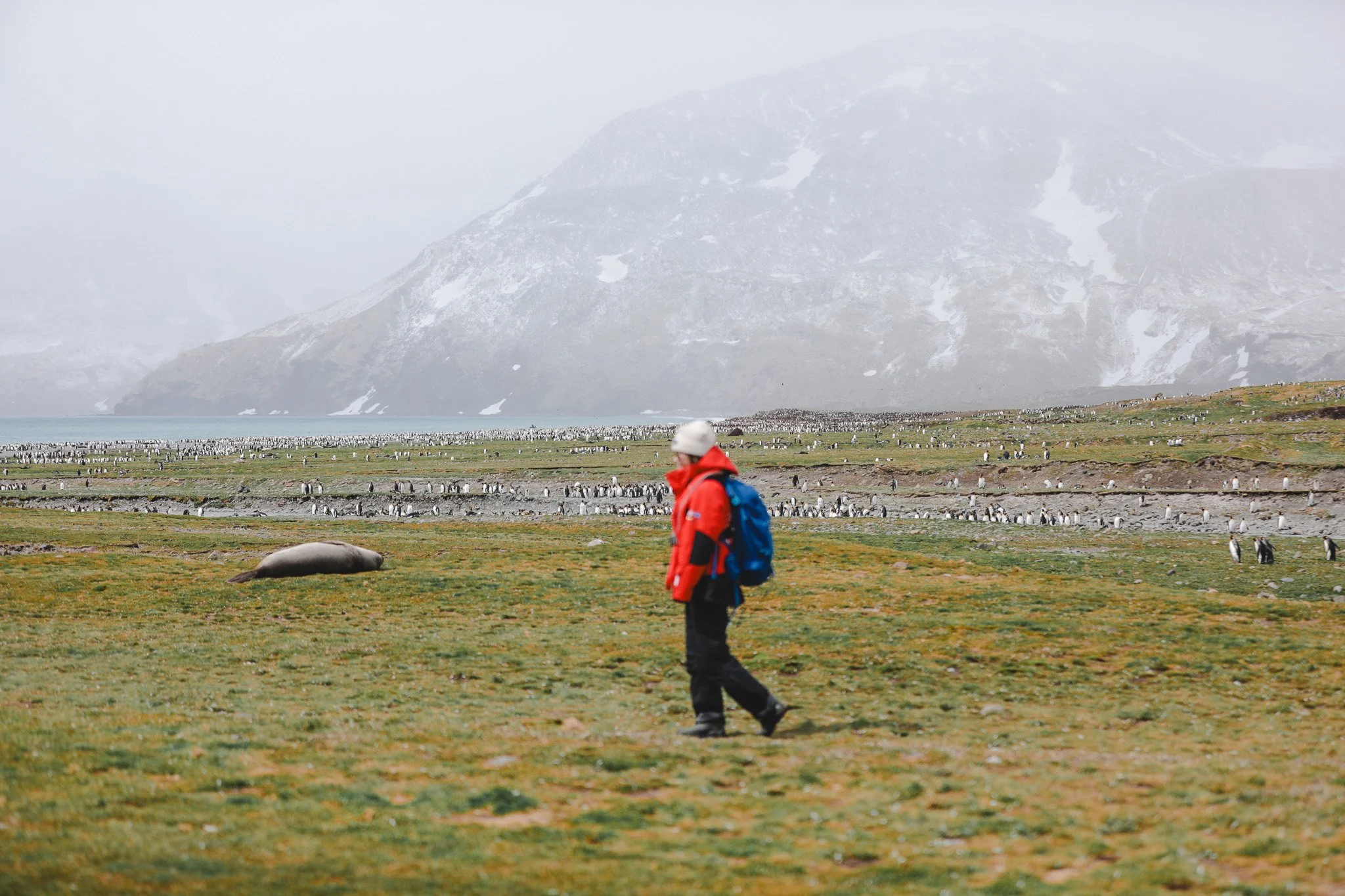
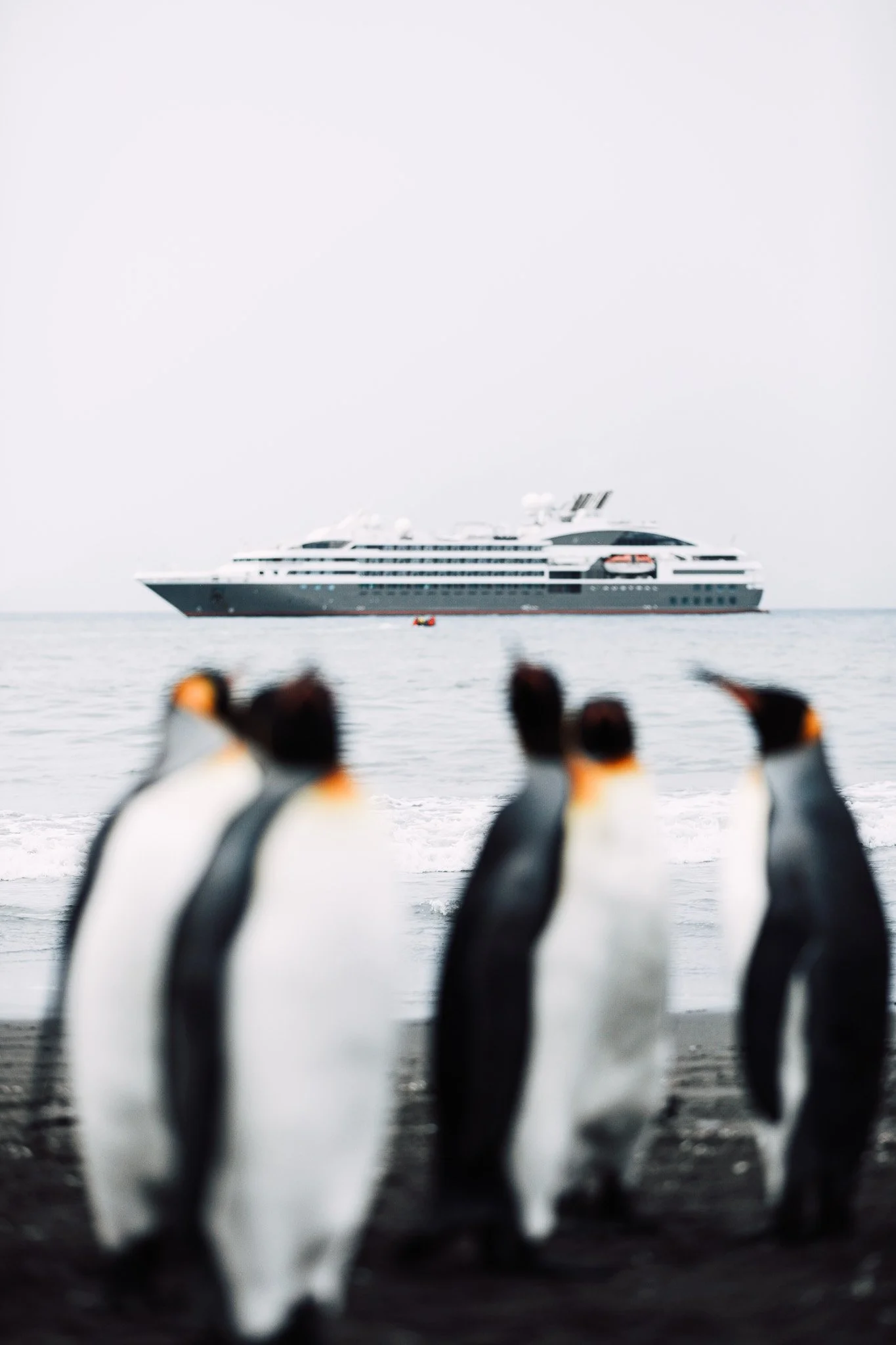
November 19 | Passing Iceberg A23A
Iceberg A23A is one of the largest icebergs ever recorded, a colossal slab of Antarctic ice that broke away from the Filchner–Ronne Ice Shelf in 1986. For decades it remained grounded on the seafloor of the Weddell Sea, effectively frozen in place before eventually beginning to drift northward in 2020. Upon our passing of the iceberg, it was stuck in a Taylor Column, rotating approximately 15° each day. Our Captain, Fabien Roche, threw up a “tchin-tchin” and we toasted to the icy spectacle, whose square milage (at the time of our passing it) matched that of the State of Rhode Island.
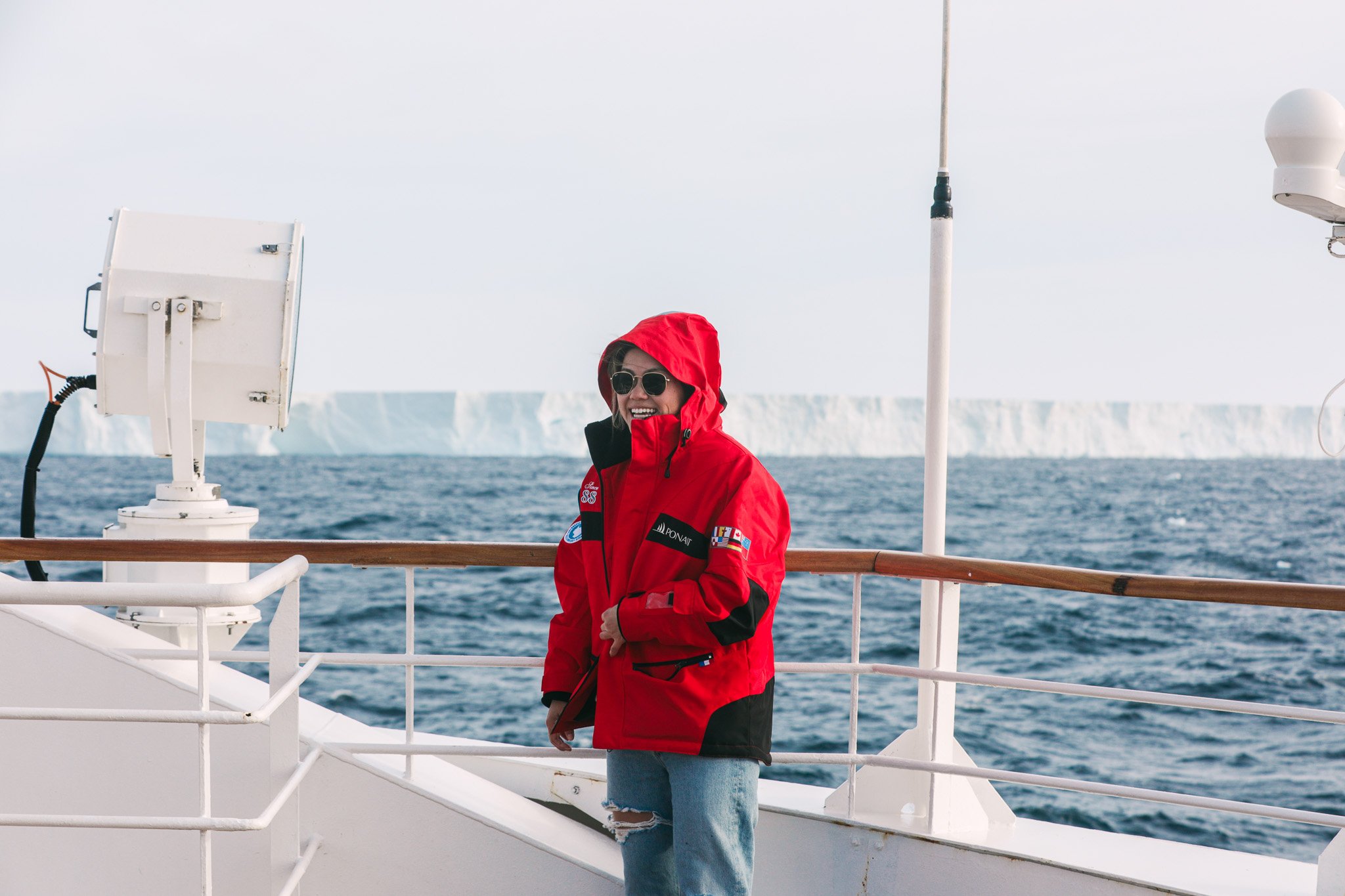
November 20 | At Sea
November 21 | Landing on Deception Island
This cruise was actually not my first rodeo in Antarctica. I had cruised here in 2016 with Oceanwide Expeditions on the M/V Plancius, and Deception Island was a repeat stop for me. Previously, I had kayaked here.
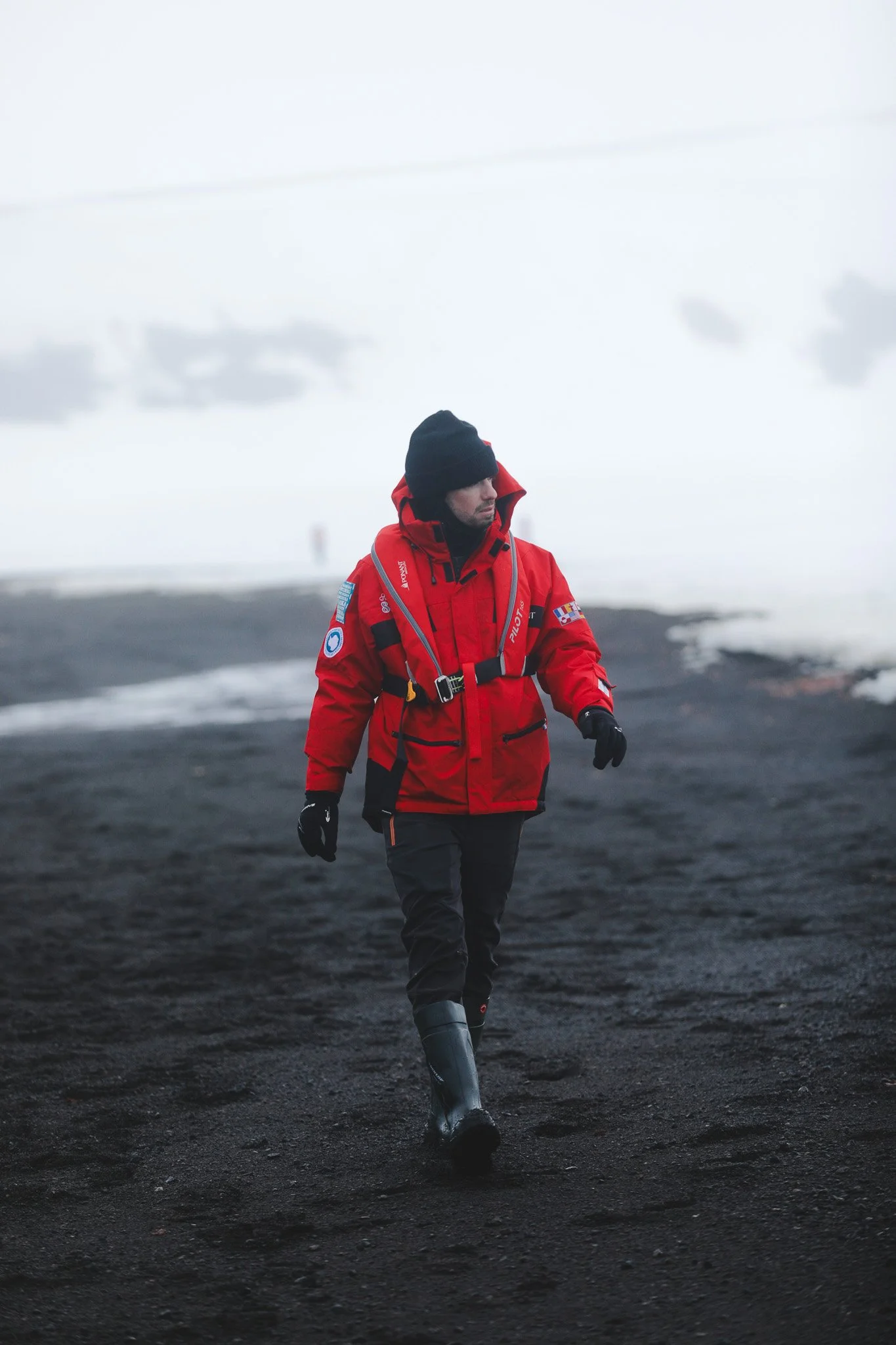
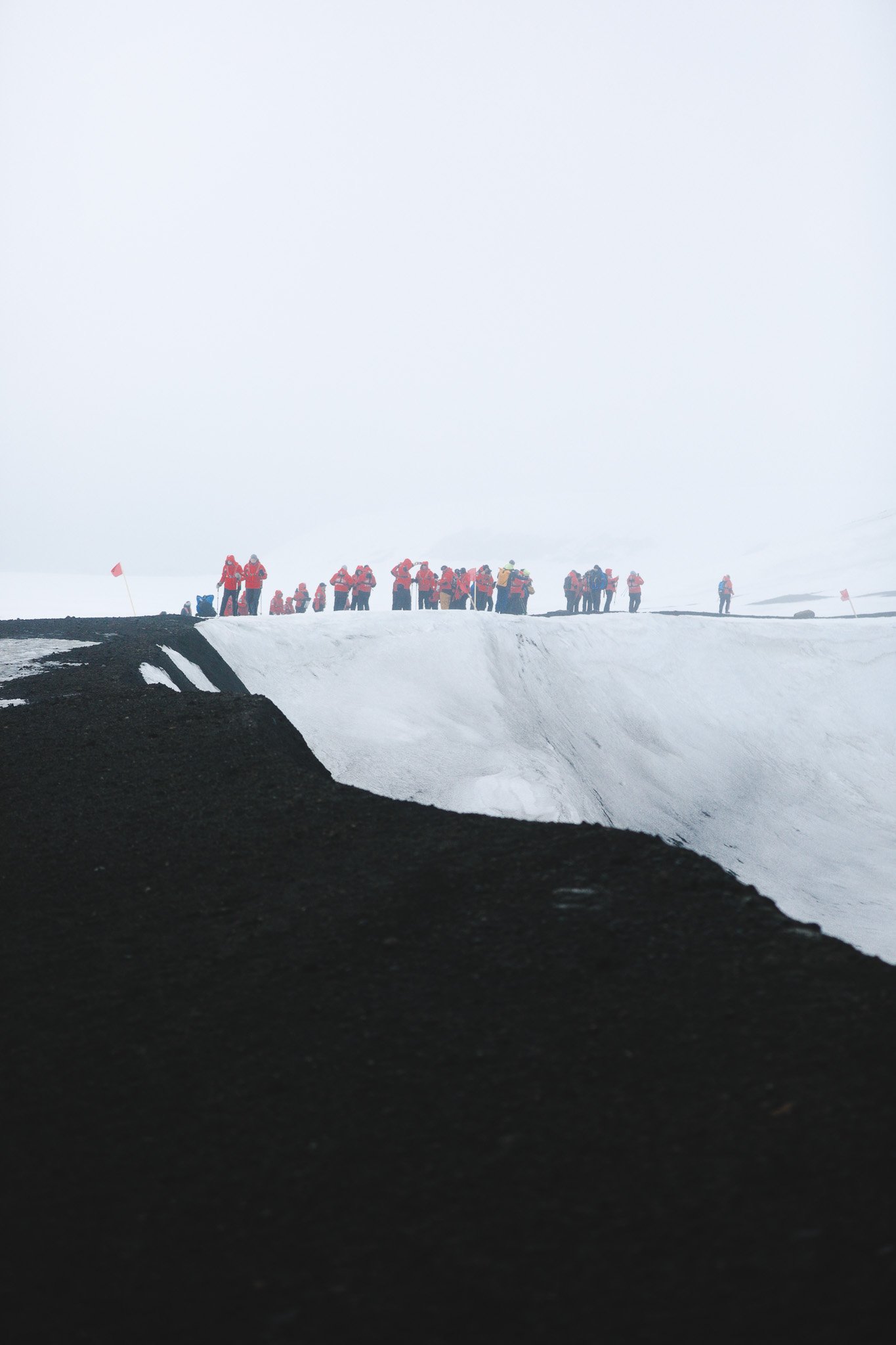
Deception Island is one big flooded caldera of a still-active volcano. It was a bit iffy at first if we would be able to enter the caldera, as high winds were making passage through Neptune’s Bellows (the entrance to the caldera), uncertain. But being the skilled seaman he is, our Captain safely sailed us through, and we drifted into Telefon Bay. We walked up the shore, maybe a quarter mile, to the edge of one-of-many volcanic craters. The land is rather barren, the ash cliffs covered in snow.
There are strict rules for ships sailing in Antarctica, and at Deception Island only one ship can land passengers at Telefon Bay, with a maximum of 3 ships of under 500 passengers per day. The solitude and fog added to the remoteness one feels here.
November 22 | Zodiac Ride along Brabant Island
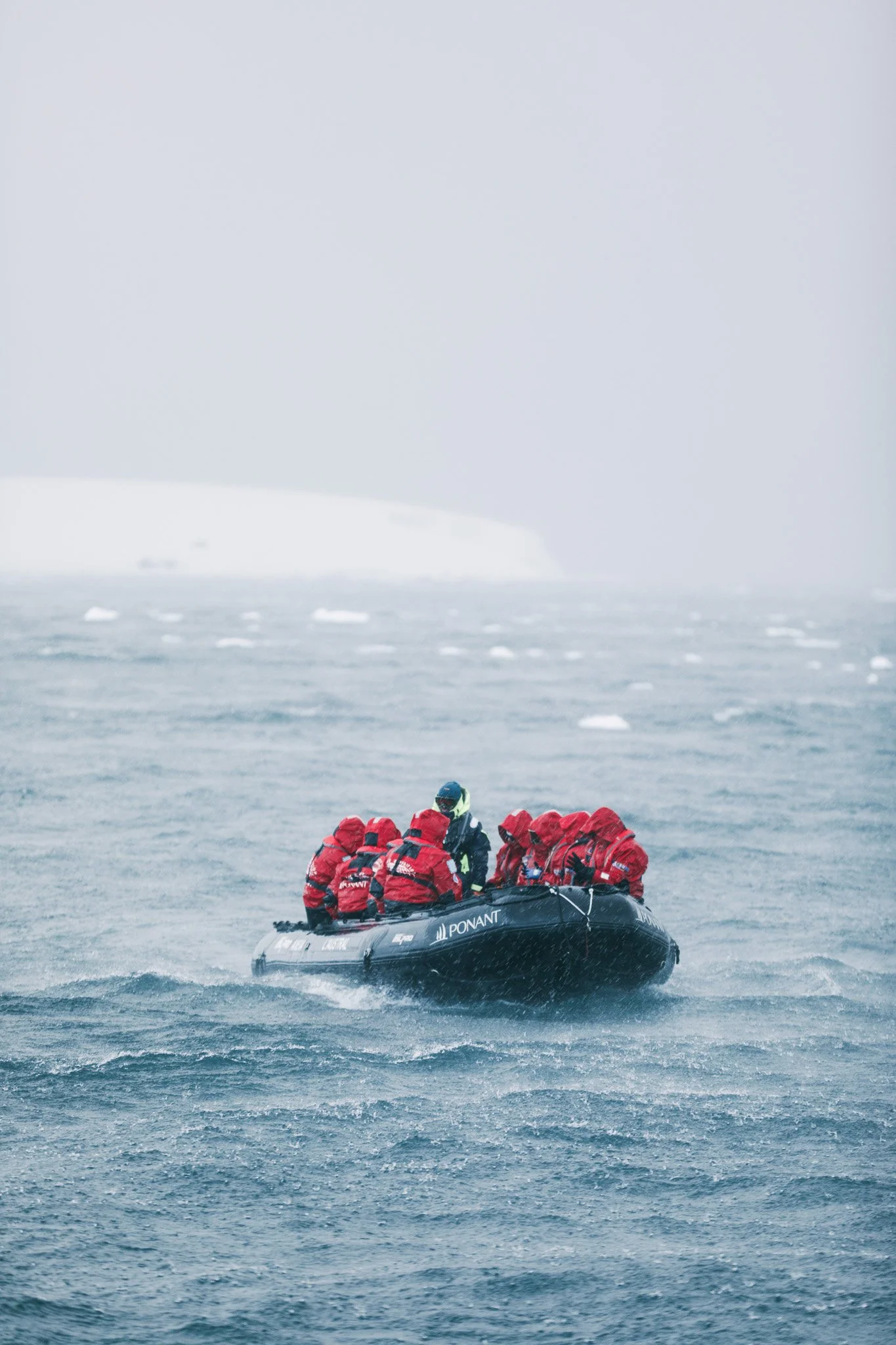
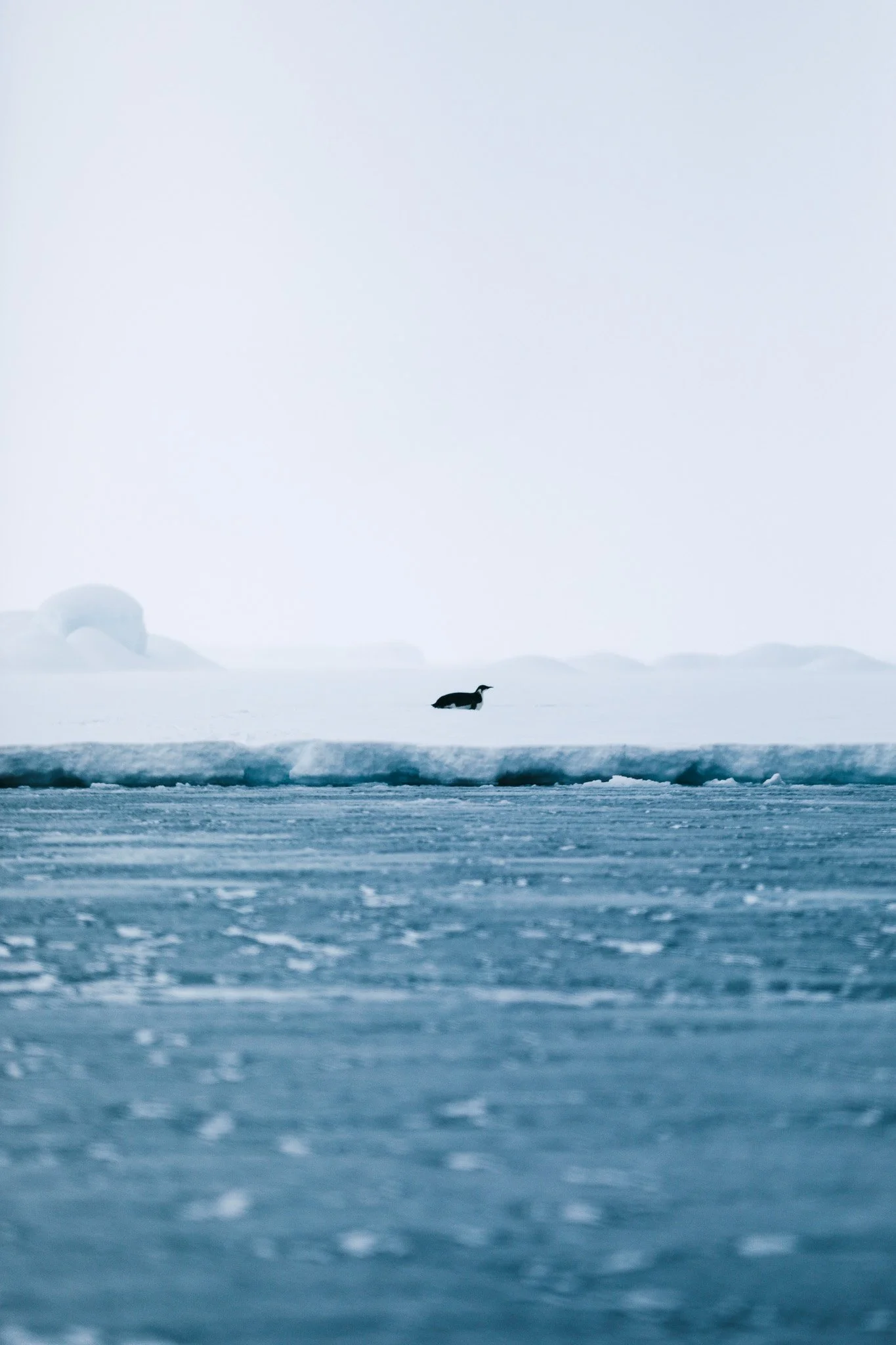
Inclement weather prevented us from making a landing, but the Expedition team arranged a Zodiac cruise instead. We explored Chiriguano Bay until katabatic winds intensified, forcing us to return to the ship and conclude the outing early. In the afternoon, we sailed through Wilhelmina Bay, where we spotted a lone Emperor penguin playfully diving in the water. Later, we reached the western side of Pelseneer Island, where calm conditions allowed us to resume Zodiac cruising.
November 23 | Landing on Cuverville Island
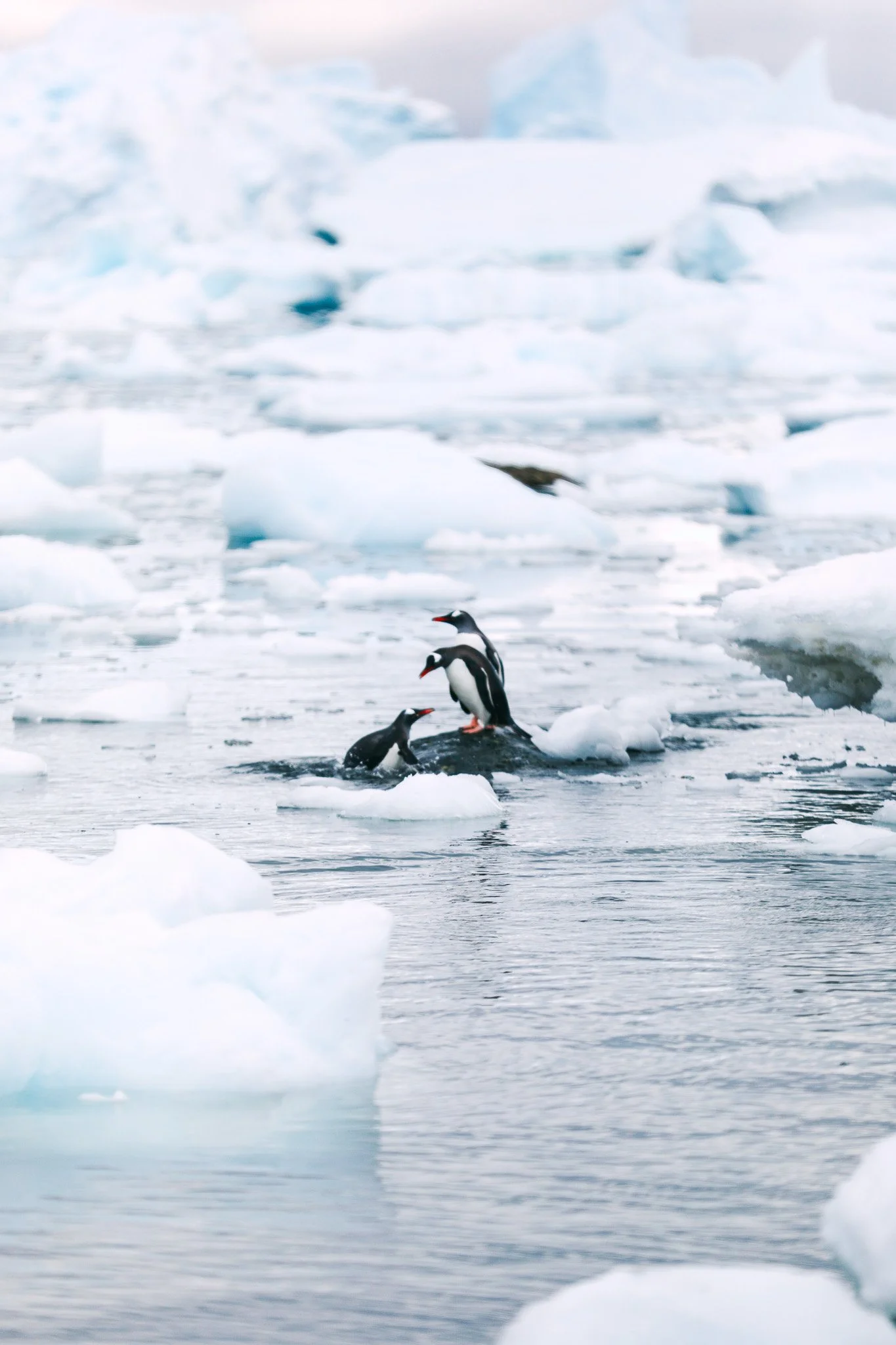
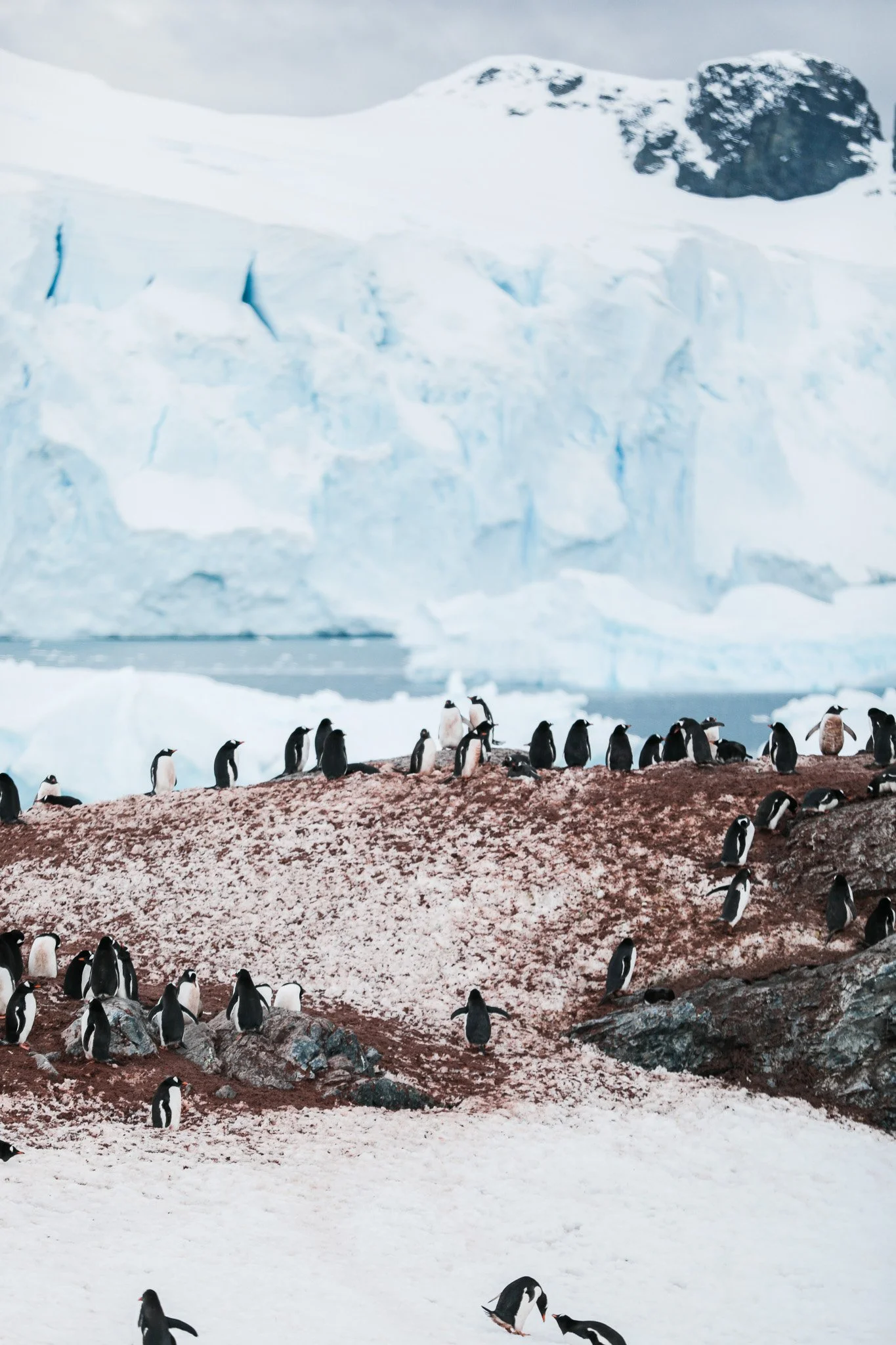
Cuverville Island is home to approximately 7,000 breeding pairs of gentoo penguins. It offers a lively scene of constant activity as penguins shuttle between the sea and their rocky nests. Towering snow-covered peaks rise dramatically from the shoreline, while floating icebergs drift through the surrounding waters. It provides a true polar landscape!
I had landed on Cuverville Island previously in 2016, that time along the North side of the Island. Due to heavy ice, we landed on the South side of the island this time around. There were penguins aplenty, and got to see a few of them performing their mating dance, moving pebbles to nests, and diving in and out of the water.
November 23 | Zodiac Ride and Kayaking in Patagonia Bay at Anvers Island
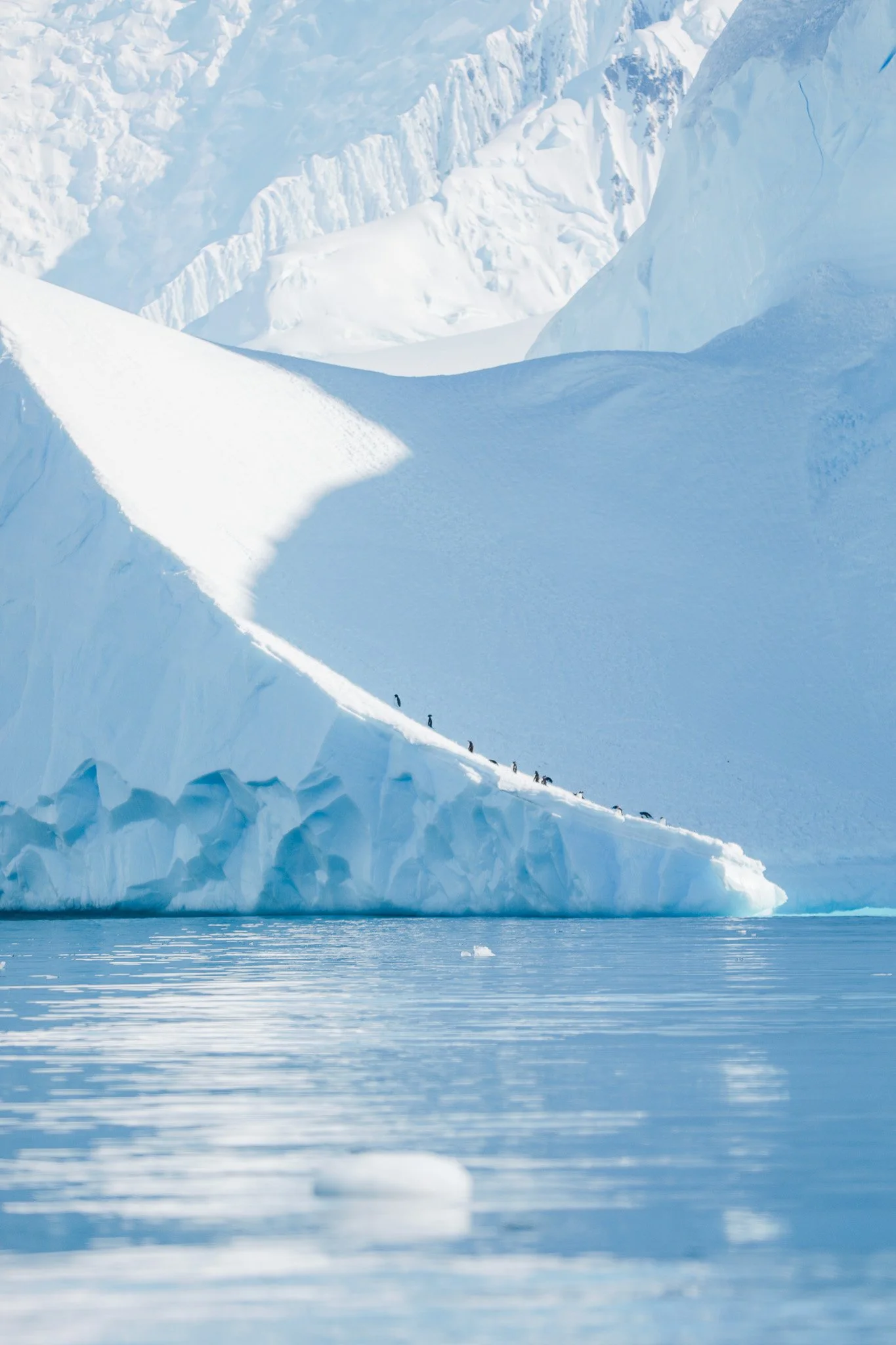
In the afternoon, we arrived in Patagonia Bay under brilliant blue skies. Towering, snow-covered peaks surrounded us, their bright white reflecting in the still waters, while a massive iceberg in the center of the bay had become an impromptu gathering spot for a group of penguins.
Zodiac cruises carried us through fields of broken sea ice, where we spotted a seal basking on a small floe. While out on the water, we also enjoyed a celebratory champagne toast to our voyage—an ideal way to conclude our time on the Peninsula.
We had signed up for kayaking, but unfavorable weather had prevented any outings until Patagonia Bay finally delivered. Although the plan was to choose either a Zodiac cruise or kayaking, we managed to experience both. Kayaking in Antarctica on a clear, sunny day offers a rare sense of serenity in one of the most remote places on Earth. We glided silently across glassy, ice-speckled waters, with the occasional splash of a porpoising penguin nearby.
As we departed the Antarctic Peninsula, we sailed through the Melchior Islands. Though slightly off route for Ushuaia, this detour was a special gesture from our captain. The scene was unforgettable, with the setting sun casting warm light through a soft, misty haze rising from the water. While Jean-Baptiste Charcot was not the first to discover these islands, he was the one who charted them. Today, PONANT honors his legacy with its icebreaker, Le Commandant Charcot, named after the famed French explorer.


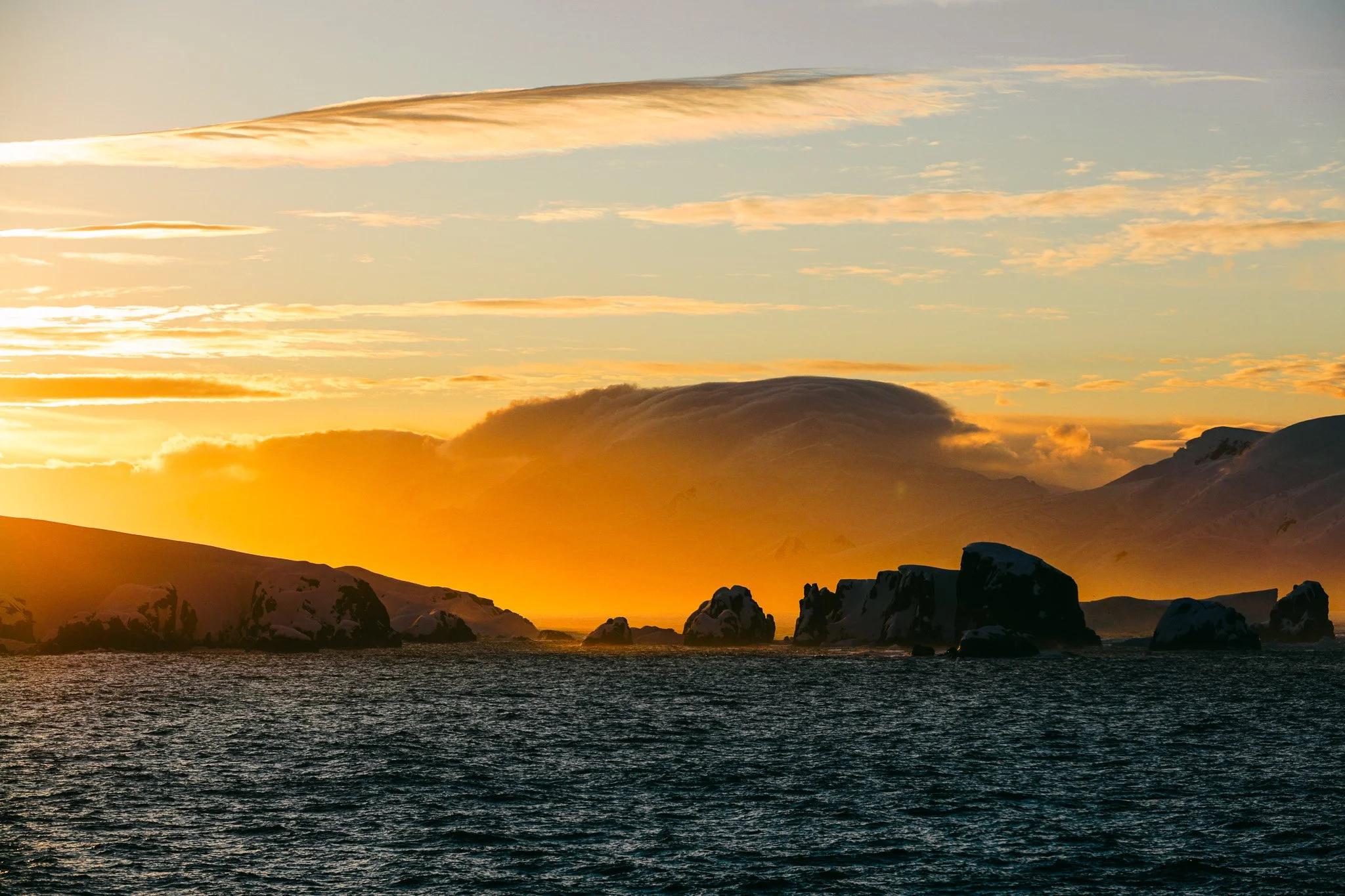
November 24 | Sailing the Drake Passage
Stretching between the southern tip of South America and the Antarctic Peninsula, these open waters are known for their powerful swells and ever-changing conditions—offering either the legendary “Drake Shake” or, on calmer days, the elusive “Drake Lake.” As you cross, seabirds such as albatrosses and petrels glide effortlessly alongside the ship, carried by the strong winds.
November 25 | Sailing the Beagle Channel
The Beagle Channel is a breathtaking waterway that marks the transition between the wilds of Tierra del Fuego and the open seas beyond. Named after HMS Beagle, the ship that carried Charles Darwin on his famous voyage, the channel winds between rugged, mountainous islands, offering dramatic views at every turn. On one side lies Chile, the other, Argentina. Snow-dusted peaks rise from the shoreline, while seabirds wheel overhead and sea lions can often be spotted along rocky outcrops. Calm compared to the open ocean, its sheltered waters provide a peaceful yet strikingly beautiful passage, serving as a fitting gateway to the remote landscapes of Patagonia and Antarctica.
I took the sunny, calm weather as an opportunity to get in the ship’s pool. For the majority of our cruise they had drained the pool since the sea was so rough. The pool on L’Austral (an all PONANT ships) are meant more for relaxation than getting your laps in. On L’Austral, it sits at the back of the boat, perfect for scenic viewing.
November 26 | Disembarkation in Ushuaia
The first time I returned to Ushuaia from the Antarctic Peninsula in 2016 there were high winds that flat out prevented us from docking. We waited adrift for at least three hours past our scheduled docking time, thus leading to most passengers, including us, to miss their flight back to Buenos Aires that day.
High winds thwarted a timely docking this time around as well, though PONANT was operating a charter flight so passengers did not miss their flight back to Buenos Aires in this case. We were staying extra days in Ushuaia, so the delay thankfully did not affect us.
One of the ships we were docked across from was the Seabourn Pursuit, a much larger ship that at that point, was only about a year old (launched in 2023). It is a larger ship than L’Austral, though holds the same amount of passengers (264). The other ship across from us was Oceanwide Expedition’s M/V Plancius, a much smaller ship than both the Pursuit and L’Austral, holding up to 116 passengers. This was the ship I had sailed on back in 2016!
The Ushuaia Cruise Port is by no means large- it’s a pier with a security building at the entrance, and that’s it. Vehicles can drive down the pier, so while the rest of our ship was boarding coach buses to the airport, we rolled our luggage along the pier while fighting against what felt like a wind tunnel.
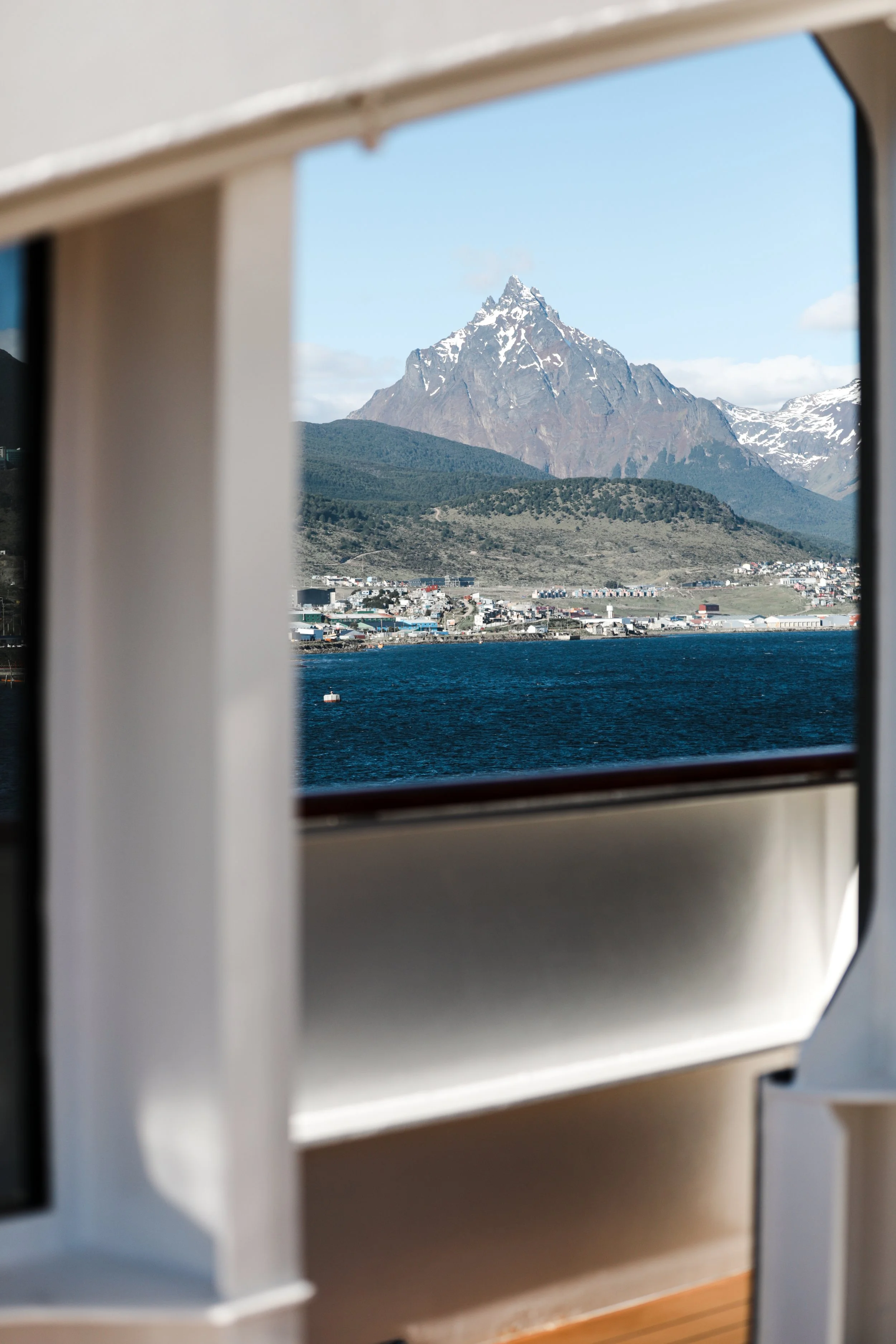
Entering the Port of Ushuaia
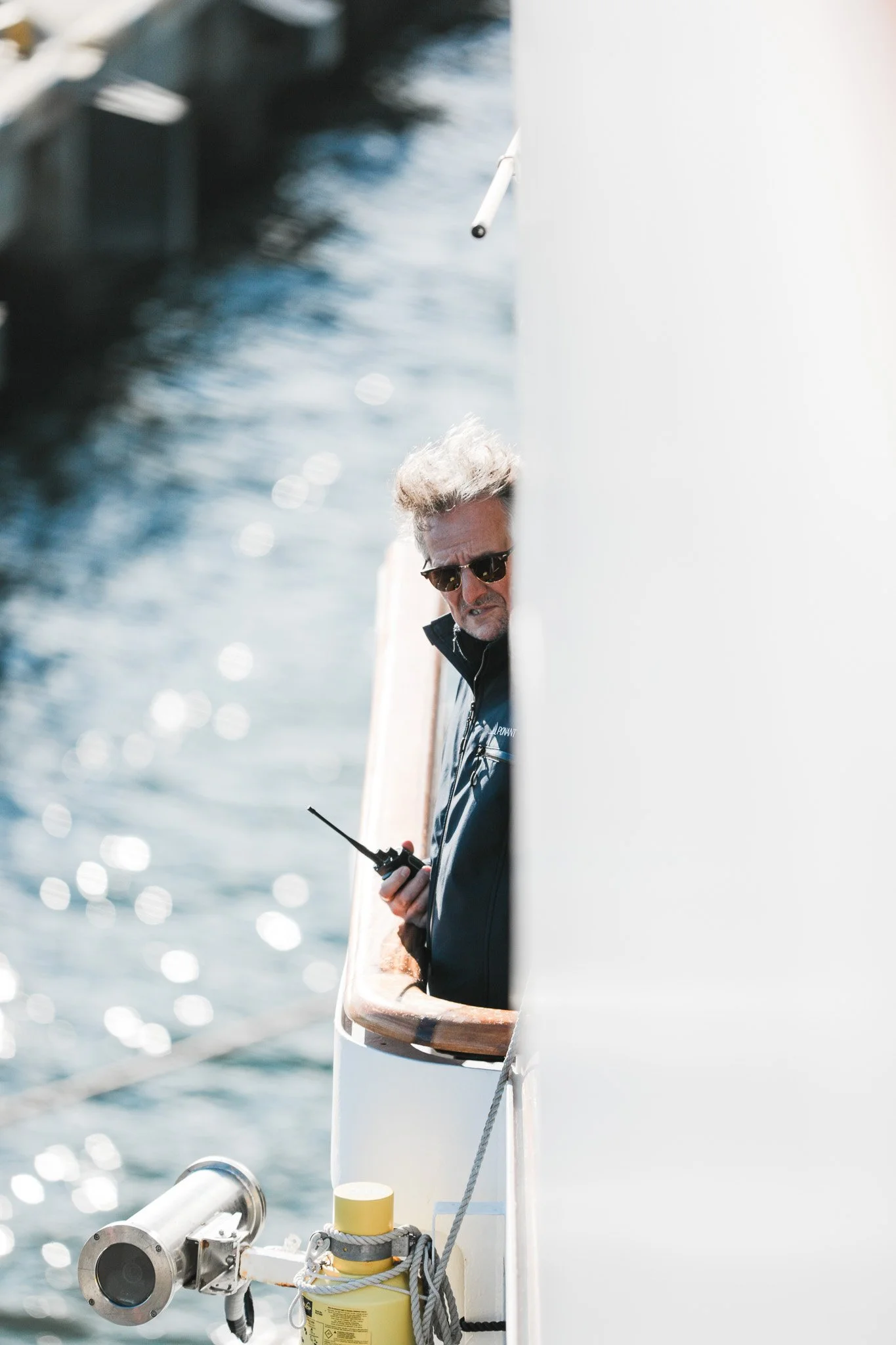
Capt. Fabien Roche
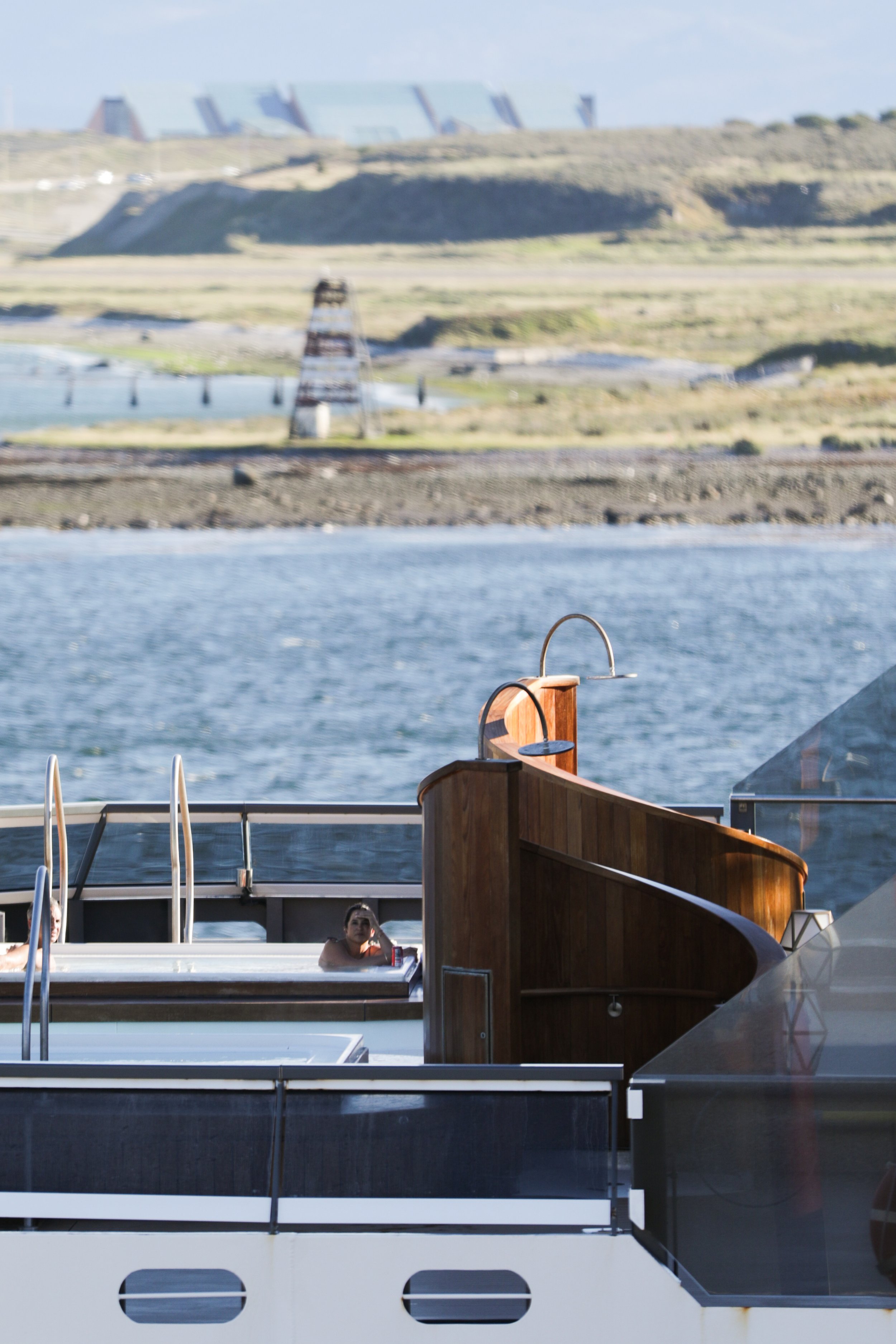
A woman aboard the Seabourn Pursuit, which was docked across from L’Austral
L’Austral
When it comes to expedition cruising, few ships strike the balance between refined comfort and adventurous spirit quite like PONANT’s fleet. L’Austral was designed to explore some of the world’s most remote and pristine regions, in an intimate experience with a maximum of 264 passengers. In Antarctica, passenger capacity is capped under 200 guests as only 100 people are permitted to be on shore at a time in this region.
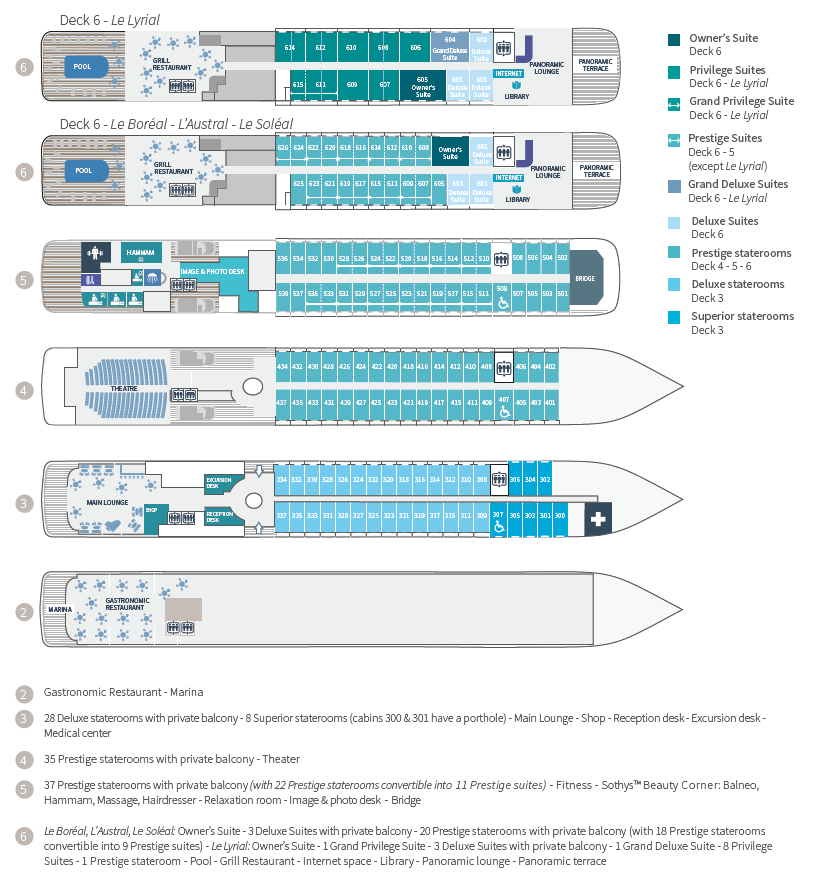
Deck Map
Prestige Stateroom Deck 5
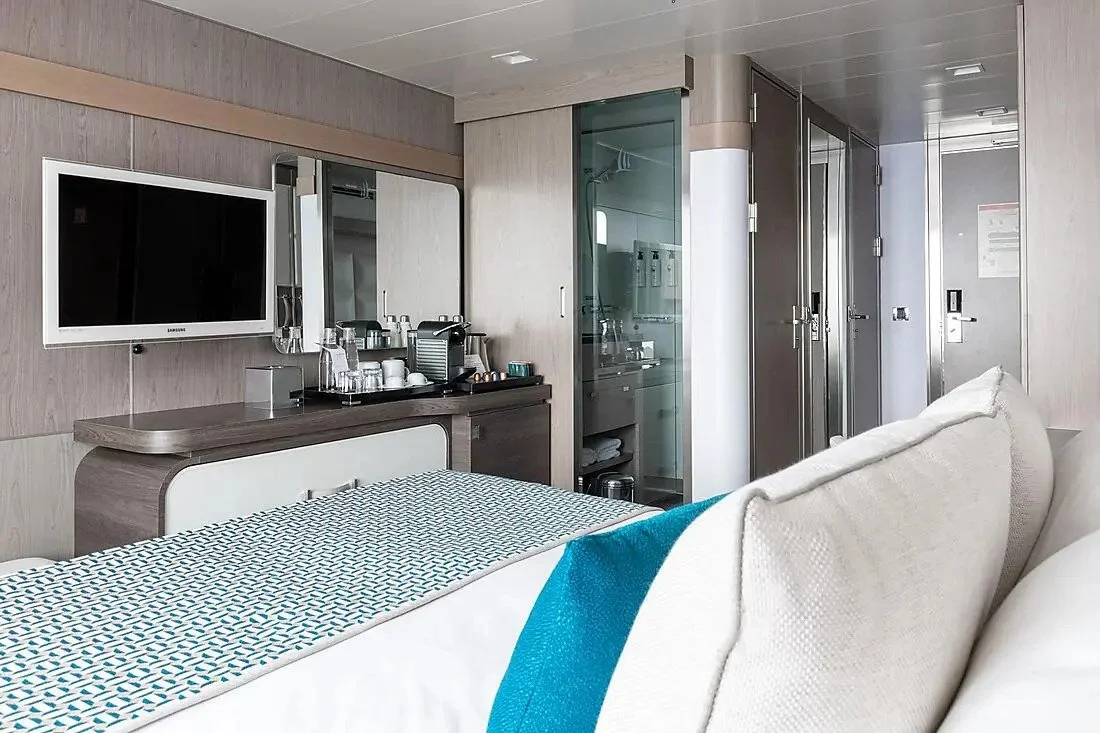
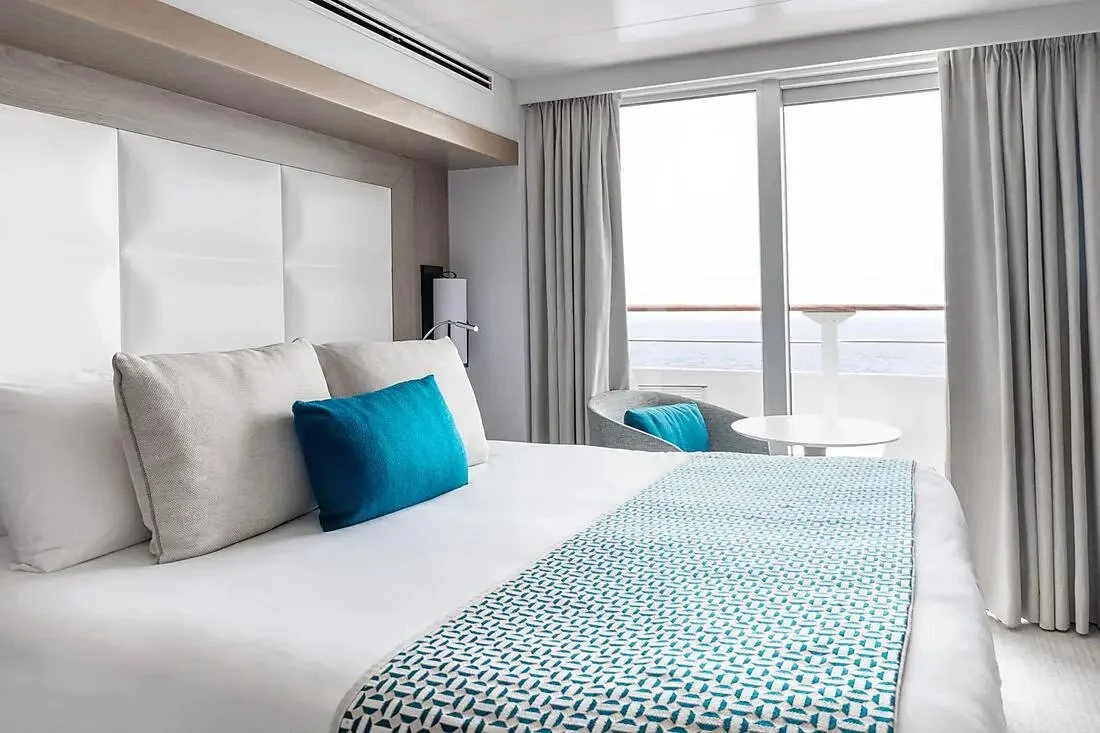
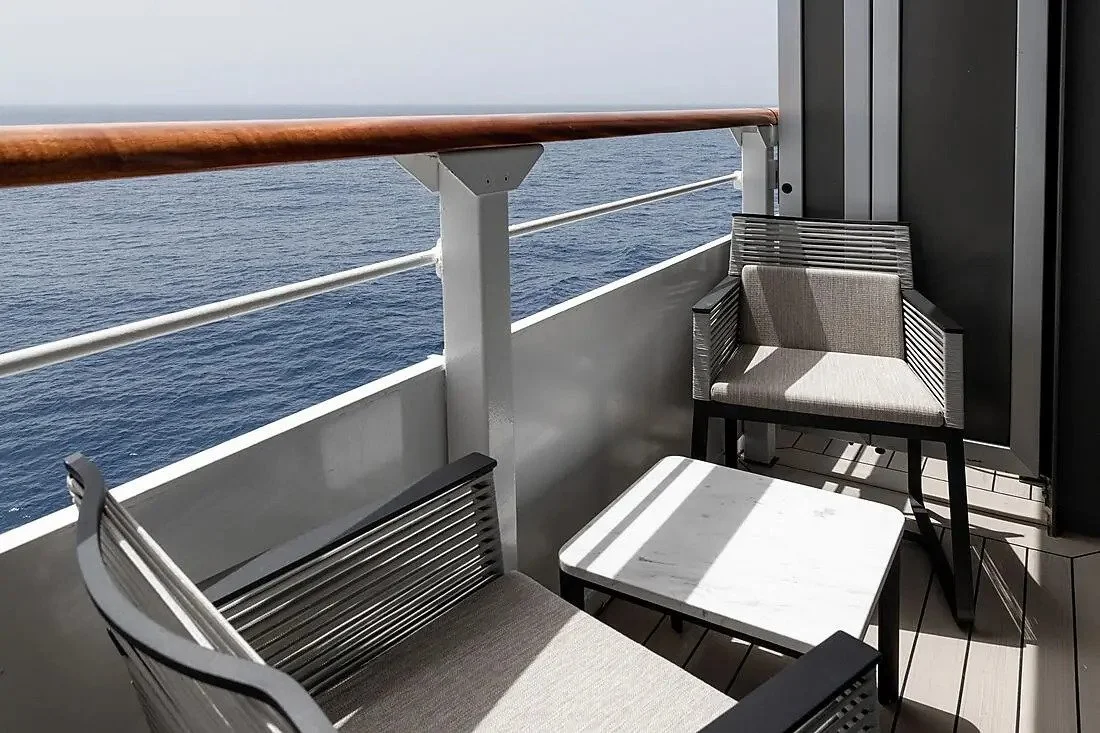
All of the staterooms on PONANT ships are ocean-facing. On all of their Sisterships (including L’Austral), all but eight staterooms (the Superior Staterooms on Deck 3) have a private balcony. Our home for 18 days was a Prestige Stateroom on Deck 5.
©PONANT
©PONANT
©PONANT
In all of the staterooms onboard L’Austral, amenities include:
Diptyque bath products
Complimentary sattelite wi-fi (Starlink)
Flat screen satellite TV
Bluetooth music player
Nespresso Machine with pods (tip: they use the “old” OriginalLine capsules, if you want to bring pods of your favorite flavor), replenished daily
Mini-bar with alcoholic and non-alcoholic offerings, replenished daily
Filtered water, replenished daily
Safe
Desk/dressing table
Bathrobes and slippers
Hairdryer
110V American and 220V European outlets
Complimentary 24/hour room service
Individually controlled air-conditioner
Complimentary re-usable water bottle (bring it home with you!)
What’s Included In the Cost of Your Cruise With Ponant?
Reception
‣ 24 hours a day
Guest Relations Desk
‣ Book additional PONANT voyages with the Travel Ambassador, and receive a 5% discount on the booked sailing.
Excursions Desk
‣ Review your shore excursion options and make changes. Some shore excursions have a capacity limit, so it may not always be possible to switch in.
Butler Service
‣ For those in suites on Deck 6 on L’Austral
Wake-up Service
‣ Instructions are provided in your stateroom if you would like this service
Entertainment
‣ Presentations, lectures, dance and music performances, and all other entertainment is included in the cost of your cruise.
Shore Excursions
‣ Shore excursions are included in the cost of your cruise. *One shore excursions per person per port of call. *Some cruises may have a few shore excursion options that are an additional cost.
Fitness Center
‣ 24 hours a day
Laundry Service
‣ Pricing and laundry bags are provided in your cabin
Room Service
‣ Complimentary and available 24 hours a day
Food & Beverage
‣ All food onboard is included in your cruise, including when ordering room service. All non-alcoholic beverages are included and there is a wide variety of alcoholic beverages available that are included as well. *Premium alcoholic options are an extra cost
Gratuity
‣ The cost of your cruise includes gratuity for ship staff and crew, local guides, and drivers. It is up to your discretion if you would like to provide an additional gratuity at the end of the cruise
Luggage Handling
‣ Luggage handling from the pier to the ship, and from the ship to the pier on the day of embarkation and disembarkation
Extra Costs to Your Cruise with Ponant
Sailing with PONANT is an almost all-inclusive experience. There are a few onboard amenities that would could incur an additional cost:
Laundry Service
‣ Pricing and laundry bags are provided in your cabin
‣ Note: If you are part of the PONANT Yacht Club, you may be permitted to a certain number of complimentary pieces of laundry each day
Postage Service
‣ Stationary is complimentary, but postage is an additional cost. You can send mail from the ship by bringing it to Reception.
Spa and Salon Services
‣ PONANT offers a range of spa and salon services. These cannot be reserved in advance of your cruise, and must be booked once you are on board.
A La Carte Hotels and Private Transfers
‣ PONANT is able to handle a la carte hotel bookings and private transfers, before and after your cruise.
Photography and Video Service
‣ Each sailing has a photographer and videographer on board to capture every moment of the cruise. At the conclusion of the cruise, guests are welcome to purchase a “Best-Of” USB of photos and a cruise video. Guests can also select individual photos to purchase.
Kayaking in Antarctica
‣ For those wanting to kayak in Antarctica, it is an additional €350 per person.
Medical Services
‣ Every PONANT ship has a doctor and nurse on board. There is a fee for consultations and medical procedures on board, which are not covered by health insurance plans.
Visa Fees
‣ PONANT is not responsible for visa fees, if applicable
Seasickness Prevention
If you’re prone to seasickness, here are some tips and tricks for your cruise:
Before You Sail
Choose the right cabin: Midship and lower decks feel the least motion.
Start medication early: Take motion sickness meds (like Dramamine, Bonine, or prescription patches) before symptoms start.
Get good rest: Fatigue can worsen seasickness.
While Onboard
Stay outside and look at the horizon: Fresh air + a fixed point helps your balance system.
Keep your body steady: Sit or lie down, preferably facing forward.
Avoid reading/screens: These can make symptoms worse.
Eat light, frequent meals: Think crackers, toast, bananas—avoid greasy or heavy foods.
Stay hydrated: Water is key; limit alcohol and caffeine.
Before You Sail
Ginger: Tea, chews, or tablets can help settle your stomach.
Acupressure bands: Worn on the wrists, they can reduce nausea for some people.